How HVAC Companies Lose $50K+ to Slow Response
:::tip[Key Takeaways]
- 78% of customers hire the first company that responds — if you take longer than 5 minutes, you’re 21x less likely to close the deal.
- After-hours calls, peak season overload, and unmonitored web forms are the biggest gaps where HVAC leads fall through.
- A typical HVAC company losing 30% of leads to slow response is leaving $240K-$480K on the table annually.
- Automated text-back and AI booking systems deliver sub-60-second responses 24/7, recovering $20K+ per month at a fraction of the cost of extra staff. :::
The Speed-to-Lead Problem
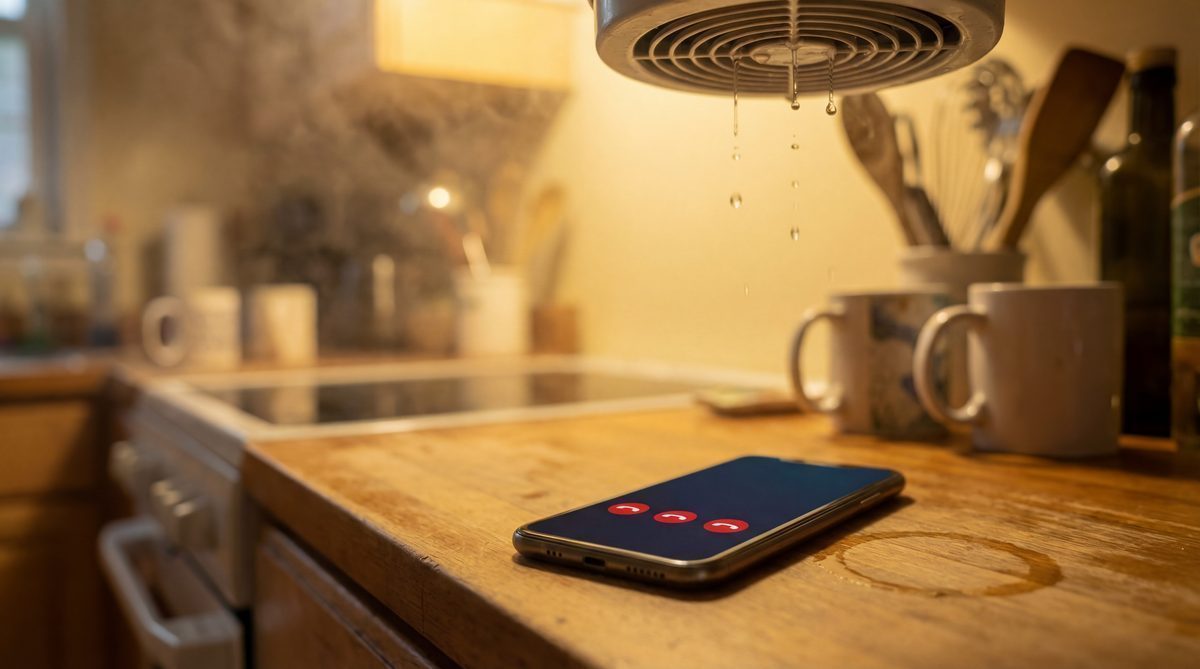
When a homeowner’s AC dies in July, they don’t wait around. They pull out their phone, search “HVAC repair near me,” and call the first three companies that show up. Whoever picks up — or responds fastest — gets the job. Everyone else gets forgotten.
This isn’t speculation. Research from Vendasta shows that the first company to respond wins the deal the vast majority of the time. The customer has a problem right now. They want it fixed right now. They’re going to hire whoever makes that feel possible first.
If you take 30 minutes to call back a lead, you’ve already lost. Not because your work is worse or your price is higher — just because someone else answered faster.
The Numbers Are Ugly
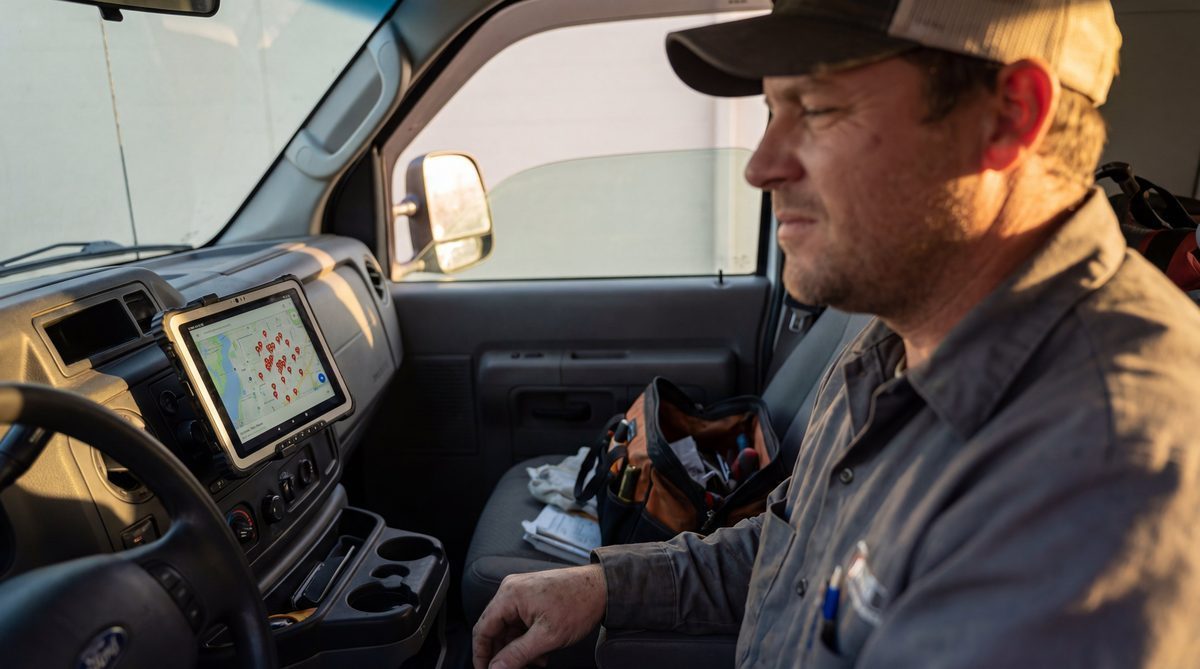
The data on speed-to-lead is brutal. And it’s been consistent across every study published in the last decade — from MIT’s original lead response study to more recent analyses by Drift.
78% of customers buy from the company that responds first. You’re 21x more likely to qualify a lead if you respond within 5 minutes. After 30 minutes, lead qualification rates drop by 80%.
Let’s apply that to a real HVAC business.
The average HVAC job — including installs, replacements, and repairs — runs between $8,000 and $12,000. According to ServiceTitan’s industry data, a healthy HVAC company pulls in around 40 leads per month from Google, referrals, and its website combined.
If 30% of those leads go cold because you didn’t respond fast enough, that’s 12 lost leads every month. At a typical 35% close rate, that’s roughly 4 jobs you never booked. At an average ticket of $10,000? That’s $40,000 per month left on the table.
$40,000 per month. $480,000 per year. From slow response times alone.
Even if your numbers are half that, you’re still looking at $240,000 in annual revenue at risk. That’s not a rounding error. That’s the difference between growing and stalling out.
See how your lead response stacks up
We’ll mystery-shop your business — submit a real quote request, call after hours — and show you exactly where leads are falling through. Free. Results in 48 hours.
Where HVAC Leads Fall Through

The problem isn’t that HVAC companies don’t care about their leads. As Harvard Business Review documented, the window for contacting a new lead is shockingly short — and the nature of the business makes it nearly impossible to respond quickly. Here’s where the gaps show up:
After-hours calls
About 40% of leads come in outside business hours. Evenings, weekends, early mornings. If nobody’s answering, those leads go straight to whoever does have something in place.
Peak season overload
Middle of summer. Your techs are on calls, the office is slammed, and the phone rings nonstop. Even the best office manager can’t answer every call when they’re juggling dispatch, billing, and customer complaints at the same time.
Weekend and holiday inquiries
Homeowners don’t schedule their HVAC emergencies around your work calendar. A furnace that dies on Saturday night means someone’s searching for help Saturday night — not Monday morning.
Web form submissions
A lead fills out the contact form on your website at 9 PM. It sits in an inbox until someone checks it the next morning. By then, they’ve already called two other companies and booked with one of them.
What Fast Response Actually Looks Like
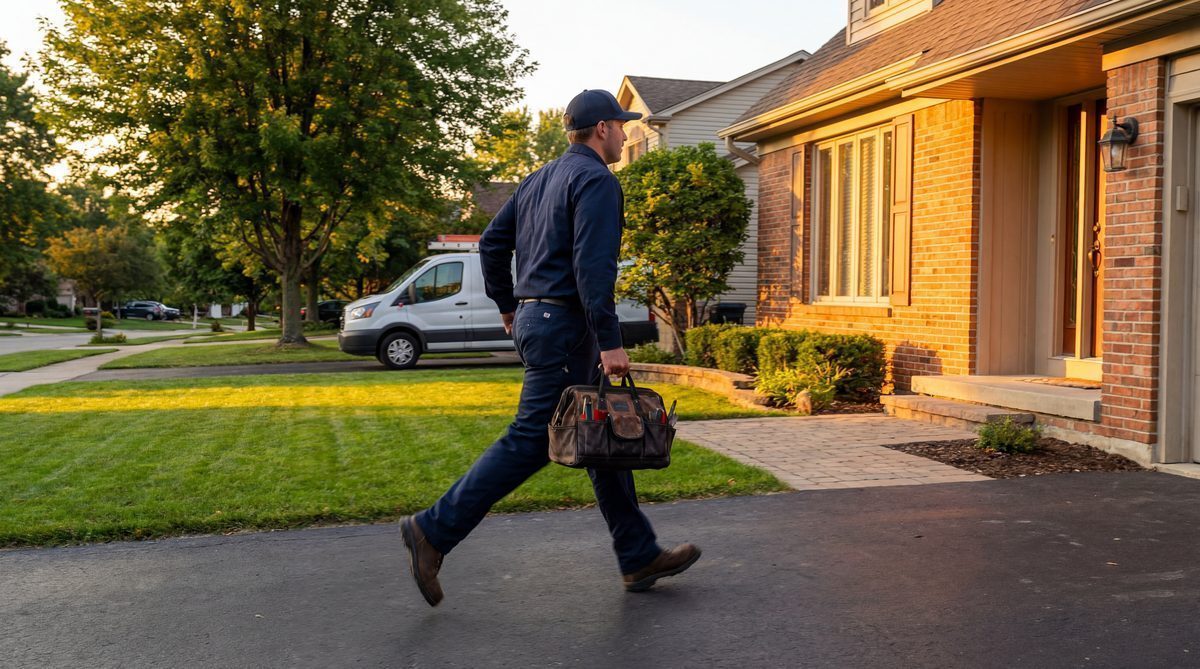
The fix isn’t hiring another person to sit by the phone. That’s expensive, inconsistent, and still doesn’t cover nights and weekends.
Fast response in 2026 means automation that does the heavy lifting without human intervention:
- Automated text-back within seconds. A missed call triggers an immediate SMS to the customer confirming you got their call and asking what they need help with.
- AI-powered chat that qualifies and books. Instead of just taking a message, an AI assistant asks the right questions, determines what service is needed, and books the appointment on your calendar.
- Follow-up sequences that run on autopilot. If a lead doesn’t respond to the first text, the system follows up at smart intervals — without you thinking about it.
Bottom line: every lead gets a response in under 60 seconds, 24/7. No extra headcount. No missed opportunities. And as Invesp’s research on follow-up shows, consistent multi-touch sequences dramatically increase conversion rates.
The ROI Math
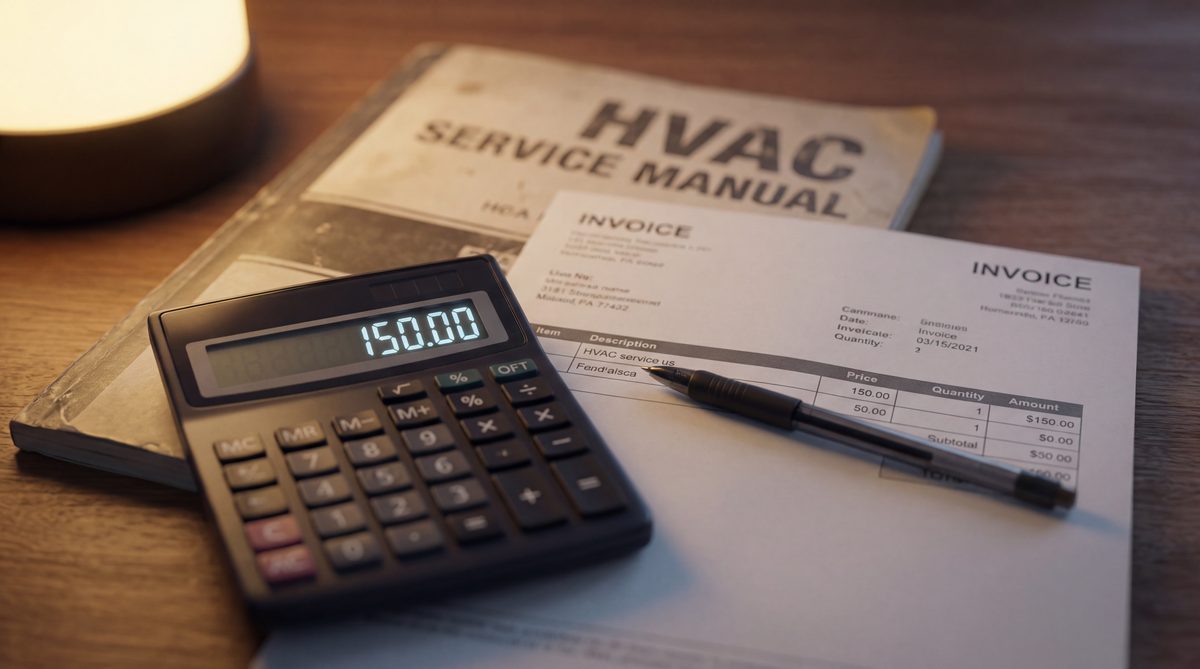
A done-for-you system like the ones we build at Ignitvio runs $997 per month. That covers the build, the management, the optimization — everything.
Now look at the return. If that system captures just 2 additional jobs per month that you would’ve otherwise lost — at $10,000 each — that’s $20,000 in recovered revenue.
$997 in. $20,000 out. That’s a 20x return.
And that’s the conservative estimate. Most HVAC companies running these systems recover way more than 2 extra jobs per month once the full automation is humming — missed call text-back, after-hours booking, and multi-channel follow-up working together around the clock.
Find Out What Slow Response Is Costing You
See exactly how much revenue your HVAC business is leaving on the table. Book a free revenue audit — we’ll run the numbers for your specific business and show you where the money’s going.

Jake Melendy
Founder, Ignitvio
Jake has helped hundreds of home service businesses automate their lead response — recovering an average of $4,200/month in missed-call revenue per client. Before founding Ignitvio, he spent years working directly with contractors on growth strategy. He writes about strategies that actually move the needle for service businesses, based on real data and real results.