
Roofing Lead Generation: How to Fill Your Pipeline Without Paying Per Lead
The best roofing lead generation strategy isn't buying leads from a marketplace. It's building a system that captures, responds to, and converts every inbound opportunity you're already generating.

Jake Melendy
Founder, Ignitvio · March 4, 2026 · 11 min read
Key Takeaways
- Pay-per-lead services share leads with 3-5 competitors, driving close rates down to 5-10% and costs up to $500-$2,000 per acquired customer.
- Speed to lead and AI call answering let you respond to every inquiry within 60 seconds -- the single biggest factor in winning roofing jobs.
- Review stacking, local SEO, and referral automation build an owned pipeline that compounds over time instead of disappearing when you stop paying.
- An owned pipeline drops your effective cost per lead from $150+ to under $30 within 6-12 months of consistent execution.
The Problem with Pay-Per-Lead Services

If you run a roofing company, you've probably tried at least one lead generation service. HomeAdvisor, Angi, Thumbtack, maybe one of the dozens of roofing lead generation companies that promise exclusive leads in your area. The pitch sounds great: pay a fixed price per lead, close a percentage of them, and grow your business without doing any marketing yourself.
The reality is different. Most roofing contractors who rely on pay-per-lead services run into the same three problems.
Shared leads destroy your close rate. Most platforms sell the same lead to three, four, or five contractors simultaneously. You're not competing on quality of work or reputation. You're competing on who calls back fastest while also bidding against companies willing to undercut you on price. Industry data shows shared lead close rates average 5-10%, compared to 25-40% for leads that come directly to your business. Meanwhile, 87% of consumers check online reviews before choosing a contractor -- but lead marketplaces build their review profile, not yours.
Costs keep climbing. Roofing leads on major platforms now run $50 to $200+ each. At a 10% close rate on shared leads, you're effectively paying $500 to $2,000 per acquired customer. For a $6,000 average roof repair, that's 8-33% of your revenue going to lead acquisition alone, before materials, labor, or overhead.
You never build a brand. Every dollar you spend on lead services builds their brand, not yours. The moment you stop paying, the leads stop coming. There's no compounding return. No review accumulation on your profile. No SEO benefit. You're renting a pipeline instead of owning one.
The best lead generation for roofing companies doesn't come from buying leads at all. It comes from building systems that capture the demand already flowing toward your business and converting it at a higher rate than your competitors.
Here are six strategies that do exactly that.
Strategy 1: Speed to Lead
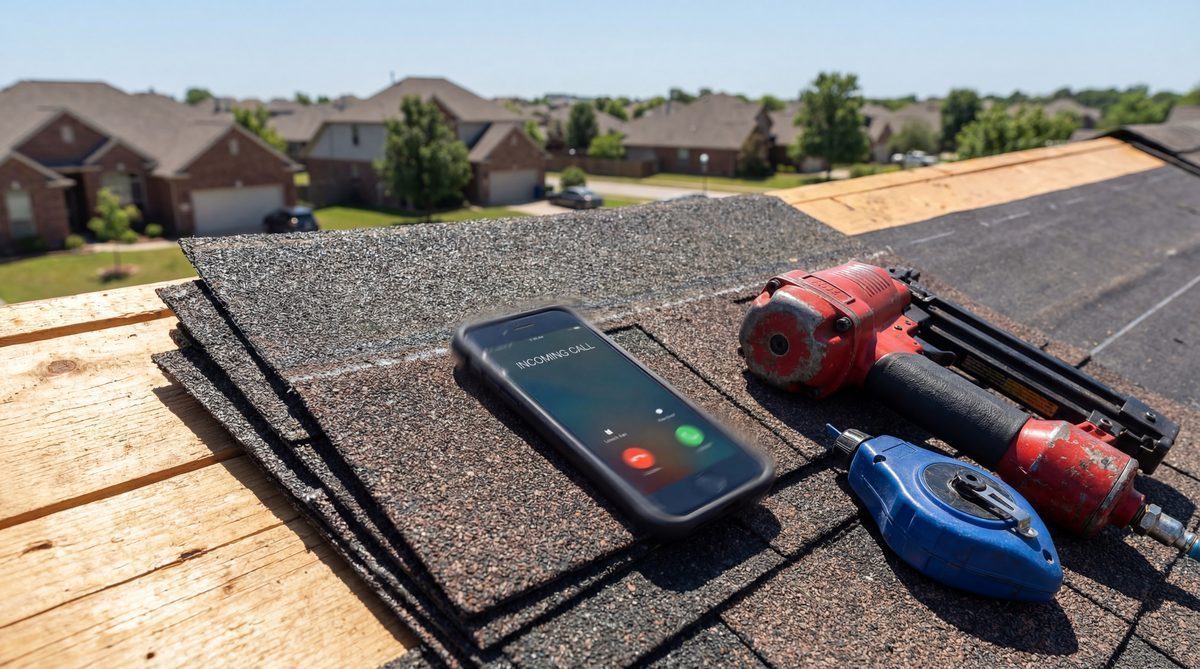
This is the single most impactful change most roofing companies can make, and it costs almost nothing to understand. The contractor who responds first wins the job the overwhelming majority of the time.
78% of customers hire the first company that responds to their inquiry. Leads contacted within 5 minutes are 21x more likely to convert than those contacted after 30 minutes.
Vendasta / InsideSales.com
This matters even more in roofing than in most trades because of how roofing demand works. With "near me" mobile searches growing over 500%, homeowners expect instant results. After a major storm, hundreds of homeowners in the same area start searching for roofers within hours. Every one of those homeowners is calling multiple companies. The one who responds first, even with a simple acknowledgment, locks in the appointment while competitors are still checking voicemail.
The problem is obvious: during storm season, you might get 30 or 40 calls in a single day. You can't answer all of them while you're on a roof running inspections. This is where automation becomes essential. A missed-call text-back system that sends an instant text response to every missed call, qualifies the lead by asking a few questions, and books an inspection slot, all within 60 seconds, means your speed-to-lead is effectively zero. The homeowner gets a response before they even scroll back to Google.
Strategy 2: AI-Powered Call Answering
Speed to lead is the principle. AI call answering is how you execute it at scale without hiring a team of receptionists every April.
Roofing is one of the most seasonal trades in home services. A typical roofing contractor might handle 8-12 calls a day during slow months and 50+ calls a day after a hailstorm or hurricane. Traditional answering services charge $1-2 per minute of call time. During a storm surge, that adds up to thousands of dollars per week for what amounts to message-taking.
AI answering works differently. It picks up every call, 24 hours a day, handles the full conversation naturally, qualifies the lead by asking about damage type, insurance status, and property address, and books the inspection directly on your calendar. There's no per-minute billing. No hold times. No human receptionist who calls in sick the day after a tornado.
The operational impact is significant. One roofing company running three crews reported that after implementing AI-powered lead capture, their after-hours booking rate went from zero to 35% of total appointments. Those were leads that would have been voicemails at best, and lost to competitors at worst.
For contractor lead generation specifically, the math is straightforward. If AI answering captures even 5 additional leads per month that would have otherwise been lost, at an average job value of $8,000 for a reroof, that's $40,000 in recovered revenue monthly.
See how your lead response stacks up
We'll mystery-shop your business — submit a real quote request, call after hours — and show you exactly where leads are falling through. Free. Results in 48 hours.
Strategy 3: Google Review Stacking
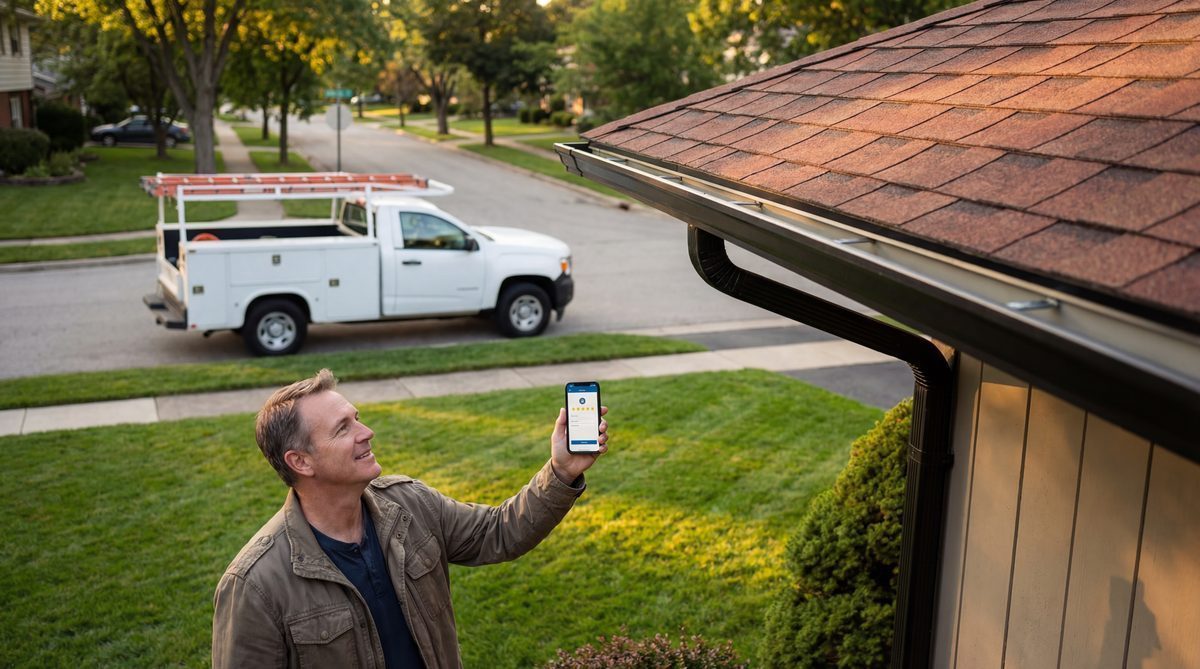
When a homeowner searches "roofing company near me," Google shows a map with three businesses. "Near me" searches have grown over 500% in recent years, and getting into that local 3-pack is the single most valuable organic roofing lead generation channel available. Reviews are the primary factor that determines who shows up.
According to BrightLocal's annual Local Consumer Survey, 87% of consumers read online reviews for local businesses, and 73% only pay attention to reviews written in the last month. That means it's not enough to have 200 reviews if the most recent one is from six months ago. Google wants to see consistent, recent review activity.
Send the request at the right moment. The best time to ask for a review is right after the job is complete, when the customer is standing in their driveway looking at a brand-new roof. Not three days later when the excitement has faded. Automated review requests triggered by job completion get 3-4x the response rate of manual asks.
Make it frictionless. Send a direct link to your Google review page via text message. Don't ask customers to find you on Google, navigate to your listing, and figure out how to leave a review. Every extra step cuts your completion rate in half.
Follow up once if they don't respond. A polite reminder 48 hours later recovers another 15-20% of reviews. But only one follow-up. More than that feels pushy.
An automated review management platform handles this entire workflow, from the initial request to the follow-up reminder, so every completed job becomes a chance to strengthen your local search ranking without your team remembering to ask.
Strategy 4: Automated Follow-Up Sequences
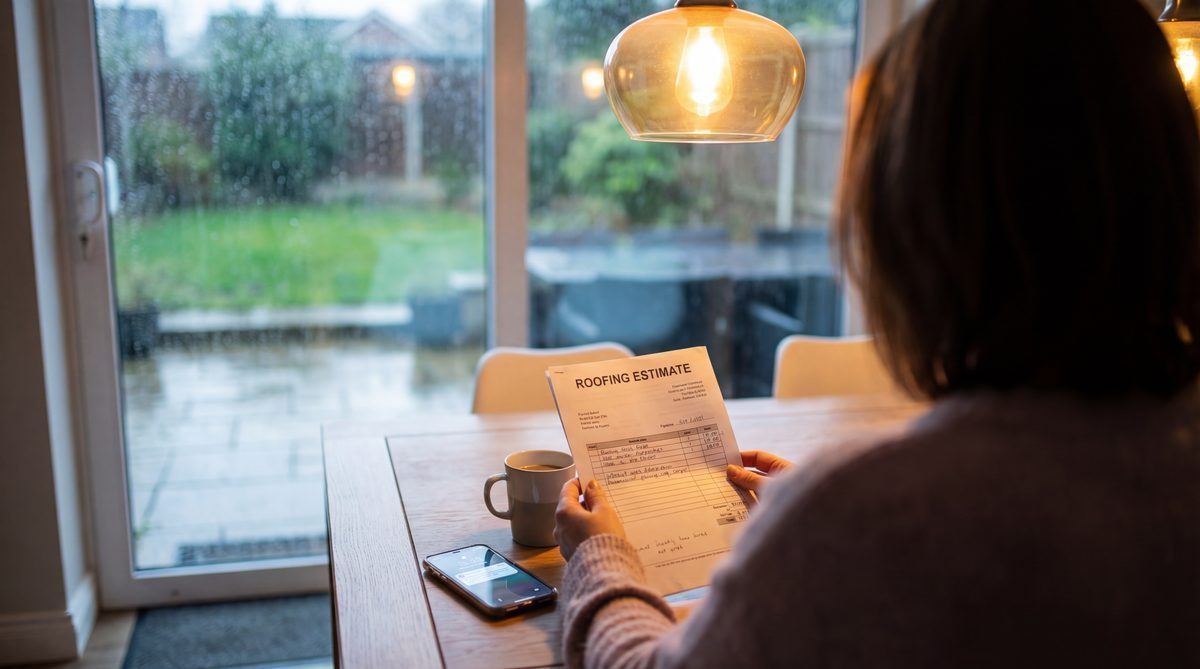
Roofing has one of the longest and most unpredictable sales cycles in home services. A homeowner might call you after a storm, get an estimate, and then wait six weeks for their insurance adjuster. Or they might be comparing three bids and taking two weeks to decide. Or they might need a reroof but want to wait until spring.
Most roofing contractors follow up once, maybe twice, and then move on. The industry data says this is a mistake. Research shows that 80% of sales require five or more follow-up contacts, but 44% of salespeople give up after just one.
The average roofing lead needs 3-7 touchpoints before converting. Most companies stop at 1-2 and lose the job to whoever stayed in touch.
Automated follow-up solves this without consuming your time. A well-designed sequence might look like this:
Day 1: Estimate delivered + thank you text
Day 3: "Do you have any questions about the estimate?"
Day 7: Helpful content — what to expect from the insurance process
Day 14: Check-in on decision timeline
Day 30: "We're booking jobs for next month. Want us to hold a spot?"
Day 60: Seasonal reminder or limited-time financing offer
Each message is personalized with the homeowner's name, address, and the specific service they requested. It doesn't feel like spam because it isn't. It's a helpful, relevant check-in that keeps your company top-of-mind during a long decision process. A CRM with automated drip sequences can build and run these follow-ups based on where each lead is in your roofing sales pipeline.
Strategy 5: Local SEO for Roofers
Local SEO is the foundation of sustainable roofing lead generation. Unlike paid leads, the traffic you earn through organic search compounds over time. A well-optimized Google Business Profile and website can generate 20-50 calls per month without spending a dollar on advertising.
There are three pillars that matter most for roofers:
Google Business Profile Optimization
Your GBP listing is the single most important piece of digital real estate your roofing company owns. Complete every field: business description with your target keywords, service categories (use all that apply), service area, business hours, and photos. Upload new project photos monthly. Businesses with more than 100 photos get 520% more calls than the average listing, according to Google's own data. Post weekly updates about completed projects, storm damage tips, or seasonal maintenance advice.
Service Area Pages
If you serve multiple cities or counties, you need a dedicated page for each one. Not a list of cities on one page — a unique page per location with local content, project photos from that area, and specific information about roofing challenges in that market (coastal wind ratings, hail zones, HOA requirements). This is how you rank for "roofing company in [city name]" searches across your entire service territory.
Citation Consistency
Your business name, address, and phone number need to be identical across every directory: Google, Bing, Yelp, BBB, Angi, Facebook, Apple Maps, and the 40+ other directories that Google cross-references. Even small inconsistencies like "St" vs "Street" or a missing suite number can hurt your local rankings. Tools like BrightLocal or Moz Local can audit and fix these automatically.
Strategy 6: Referral Automation
Ask any veteran roofing contractor where their best jobs come from, and the answer is almost always the same: referrals. Referred customers close at 4x the rate of cold leads, have higher average job values, and are more likely to leave positive reviews themselves. The problem isn't that referrals don't work. It's that most contractors rely on them happening organically instead of building a system around them.
Referral automation means you're proactively asking for referrals at the right time, in the right way, with the right incentive. Here's what works:
Ask after the review, not before. Once a customer has left a 5-star review, they're already in a positive mindset about your company. That's the moment to ask: "Know anyone else who could use a roof inspection?" Send this via text with a simple referral link they can forward.
Offer a meaningful incentive. A $100-200 gift card for every referral that turns into a completed job costs you nothing relative to the lifetime value of a new customer. It also gives the referrer a concrete reason to bring you up in conversation.
Reach out seasonally. After major storms, send a text to past customers: "We're helping homeowners in your area assess storm damage. If any of your neighbors need a free inspection, send them our way." This is the highest-converting referral trigger in roofing because the need is urgent and your customer can see the damage on their own street.
The Math: Per-Lead Cost vs. Owned Pipeline
Let's compare two approaches side by side. Both assume a roofing company doing $1.5M in annual revenue with an average job value of $8,000.
Pay-Per-Lead Model
Lead cost: $100-150 each
Leads purchased/month: 60
Monthly spend: $6,000-9,000
Close rate (shared): 8-12%
Jobs won: 5-7
Revenue: $40,000-56,000
Cost per acquisition: $1,000-1,500
Annual lead spend: $72,000-108,000
Owned Pipeline Model
AI answering + automation: $997/mo
Local SEO (DIY or agency): $500-1,500/mo
Monthly spend: $1,497-2,497
Close rate (direct): 25-40%
Jobs won: 8-15
Revenue: $64,000-120,000
Cost per acquisition: $125-250
Annual spend: $18,000-30,000
Infographic
Pay-Per-Lead vs Owned Pipeline
Annual ROI comparison for a typical roofing company
Pay-Per-Lead
Rented Pipeline
Owned Pipeline
Built to Compound
Annual savings with an owned pipeline
Up to $60,000/yr
While generating higher-quality, exclusive leads that close at 2-3x the rate
The owned pipeline model produces more jobs at a fraction of the cost. But the bigger advantage isn't just the numbers this month. It's that your investment compounds. Every review strengthens your local ranking. Every happy customer becomes a referral source. Every service area page attracts organic traffic for years. With pay-per-lead, the moment you stop spending, the pipeline goes to zero.
This doesn't mean you should never buy leads. In the early stages of a new market or during a slow season, purchased leads can fill gaps. But they should supplement your owned pipeline, not be the foundation of it. You can see our full pricing breakdown to understand how the numbers work for your specific volume.
Bringing It All Together
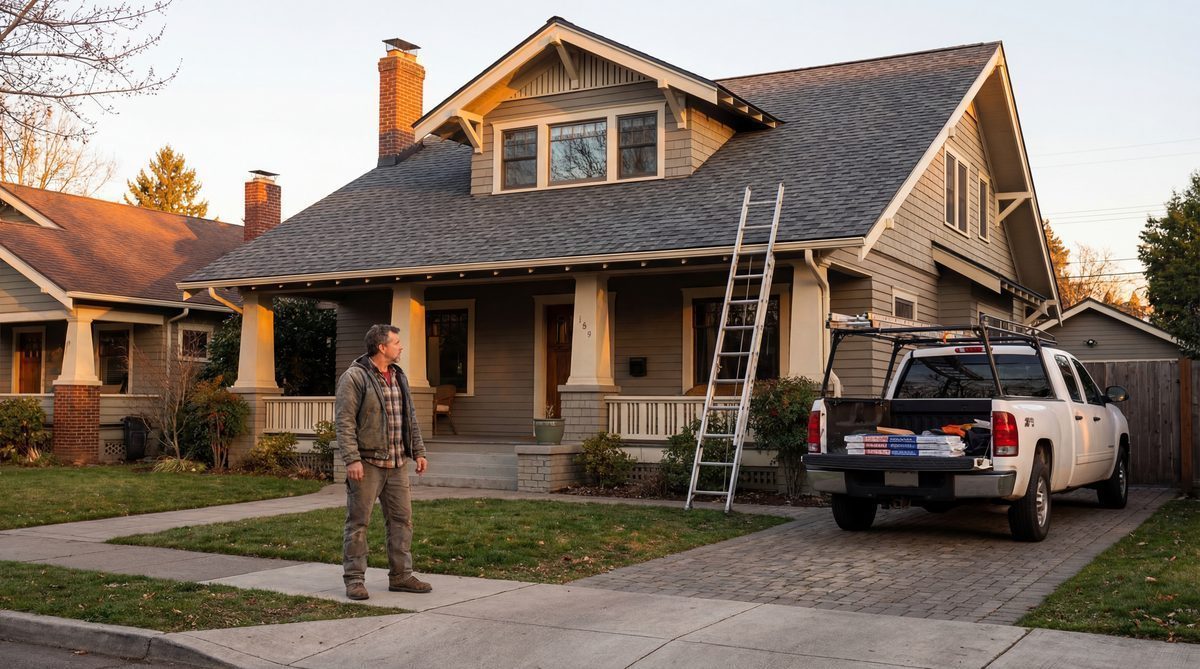
The best roofing lead generation strategy isn't any single tactic. It's the combination of all six working together as a system. Speed to lead captures the opportunity. AI answering ensures nothing slips through the cracks. Reviews build your local authority. Follow-up nurtures leads through long sales cycles. Local SEO generates free inbound demand. And referral automation turns every completed job into the next one.
Most roofing companies are already generating more demand than they realize. They're just leaking leads at every stage: missed calls, slow follow-up, no review system, no referral process. Plugging those leaks is faster, cheaper, and more sustainable than buying more leads to pour into a broken funnel.
Stop Paying Per Lead. Start Owning Your Pipeline.
Ignitvio captures every inbound lead 24/7 — no per-lead fees. AI answering, automated follow-up, review requests, and missed call text-back, all in one platform built for roofers.
Get Your Free Lead Response Audit