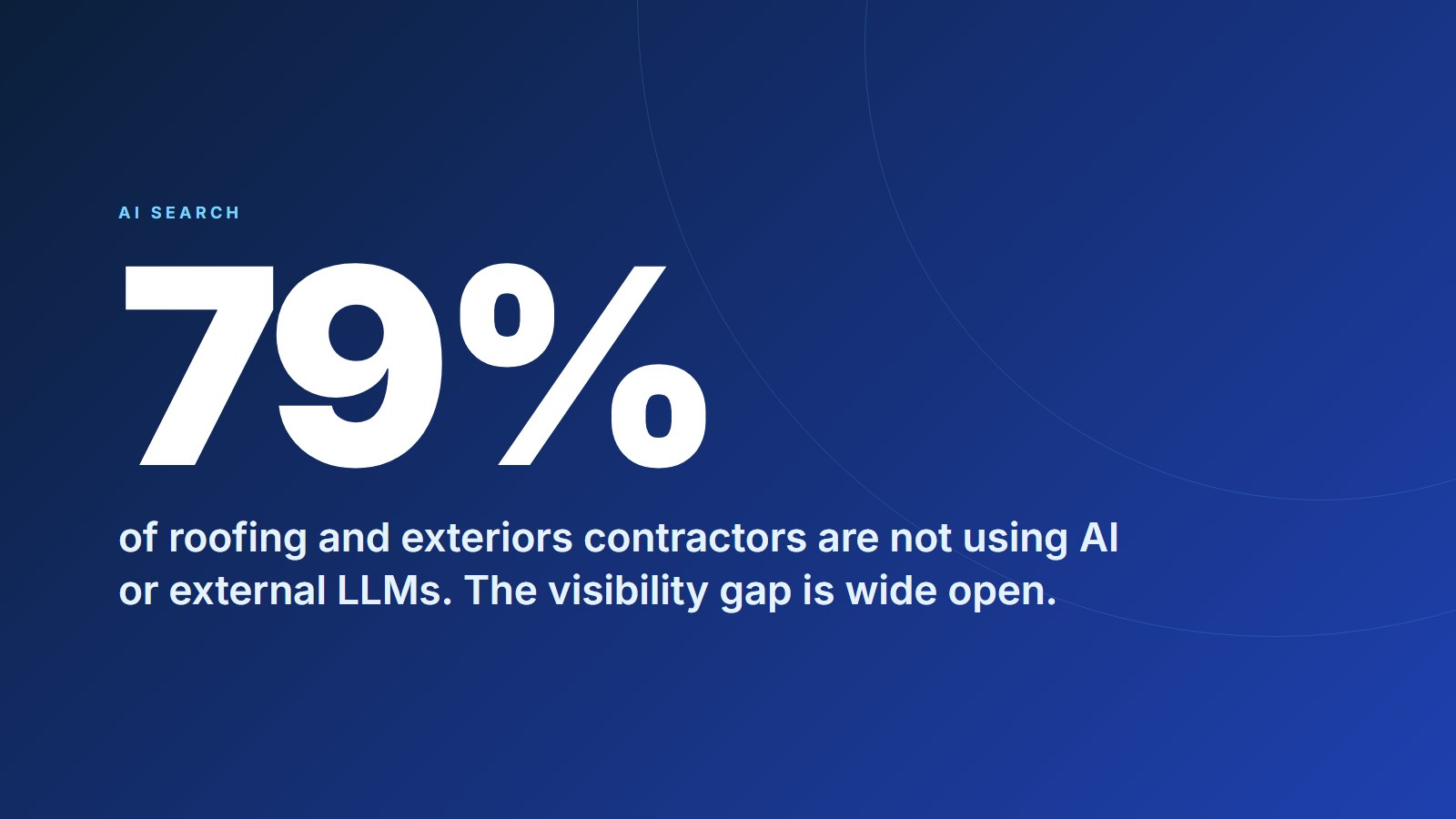
Roofing Lead Generation: Fill Your Pipeline
Roofing owners tell us the same story in different words. They paid for the lead, drove out, and the homeowner had already signed with whoever called first, or did not remember filling out the form, or only wanted the calls to stop. The invoice showed up anyway. What they actually want is plain: get in front of somebody who needs a roof, keep the crew going through the slow months, and stop paying for conversations that go nowhere.
The best roofing lead generation strategy is a system that captures, responds to, and converts every inbound opportunity you’re already generating. Marketplace leads rent you a pipeline. The system builds one you own. And most roofers? They’re sitting on way more opportunity than they realize.
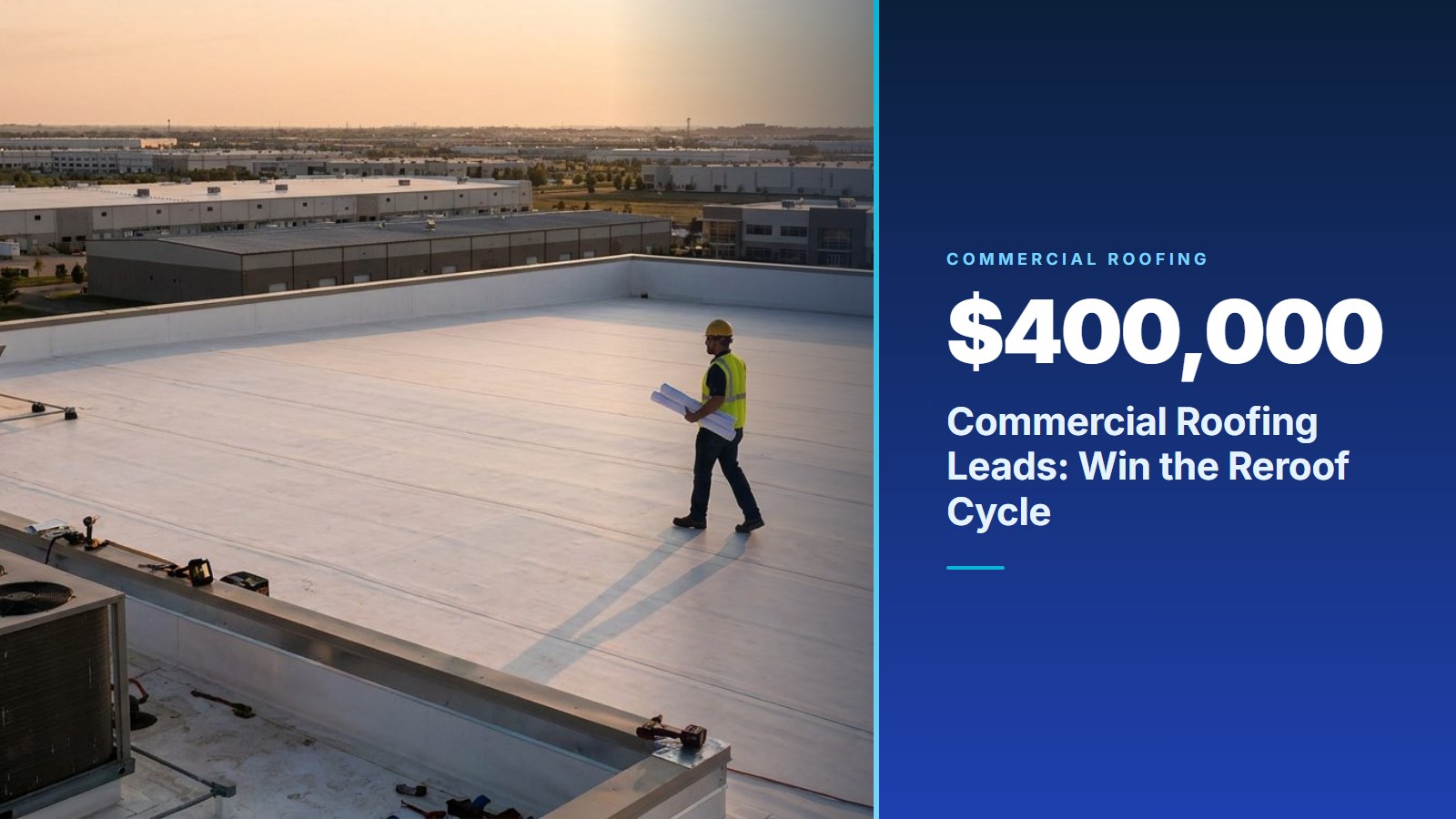
One routing note before we get into it. This guide is written for residential roofing: homeowners, storm demand, the local 3-pack, review velocity. If you sell reroofs, restoration, and service agreements to property managers, facility directors, and GC vendor lists, the buying process runs on reroof cycles and trigger events instead of hailstorms, and you will get more out of how to get commercial roofing leads and the done-for-you outbound program for commercial roofers. Both lanes get their own next step at the end of this post.
- Pay-per-lead services share your leads with 3-5 competitors, dragging close rates down toward 10% and pushing costs to $500-$2,000 per acquired customer.
- Speed to lead and 24/7 call coverage let you respond to every inquiry within minutes, the single biggest controllable factor in winning roofing jobs.
- Review stacking, local SEO, and referral automation build an owned pipeline that compounds over time instead of vanishing when you stop paying.
- An owned pipeline moves your spend from renting leads to assets that keep producing; the illustrative model below shows the gap for a $1.5M roofer.
- Commercial roofers selling to property managers and GCs run on outbound and trigger data; that lane gets its own section at the end.
The Problem with Pay-Per-Lead Services

If you run a roofing company, you’ve probably tried at least one lead generation service. HomeAdvisor, Angi, Thumbtack, maybe one of the dozens of roofing lead gen companies that promise “exclusive leads in your area.” The pitch sounds great: pay a fixed price per lead, close a percentage, and grow without doing any marketing yourself.
Reality’s a lot uglier. Ask around and the stories rhyme: the form fill who already booked the roofer who called first, the homeowner who does not remember requesting a quote, the lead that turned into three voicemails and a bill. Most roofing contractors who rely on pay-per-lead services hit the same three walls.
Shared leads destroy your close rate
Most platforms sell the same lead to three, four, or five contractors at the same time. The contest turns into who calls back fastest while bidding against companies willing to undercut you on price, and your quality of work or reputation barely enters into it. In the illustrative model later in this post, shared leads close at 8-12%, compared to 25-40% for leads that come directly to your business. And here’s the kicker: 87% of consumers check online reviews before choosing a contractor, but lead marketplaces build their review profile, not yours.
Costs keep climbing
Roofing leads on major platforms now run $50 to $200+ each. At a 10% close rate on shared leads, you’re effectively paying $500 to $2,000 per acquired customer. For a $6,000 average roof repair, that’s 8-33% of your revenue going to lead acquisition alone, before materials, labor, or overhead.
You never build a brand
Every dollar you spend on lead services builds their brand, not yours. The second you stop paying, the leads stop coming. No compounding return. No review accumulation on your profile. No SEO benefit. You’re renting a pipeline instead of owning one.
The best lead generation for roofing companies comes from building systems that capture the demand already flowing toward your business and convert it at a higher rate than your competitors. Buying leads is the expensive workaround for not having those systems in place.
Here are six strategies that actually work.
Strategy 1: Speed to Lead
This is the single most impactful change most roofing companies can make, and it costs almost nothing to understand. The contractor who responds first wins the job. Period.
78% of customers hire the first company that responds to their inquiry. Leads contacted within 5 minutes are 21x more likely to convert than those contacted after 30 minutes. ZoomInfo / InsideSales.com
This matters even more in roofing than in most trades because of how roofing demand works. With “near me” mobile searches with buying intent growing over 500% in two years, homeowners expect instant results. After a major storm, hundreds of homeowners in the same area start searching for roofers within hours. Every one of them is calling multiple companies. The one who responds first, even with a simple acknowledgment, locks in the appointment while competitors are still checking voicemail.
Here’s the thing, though: during storm season, you might get 30 or 40 calls in a single day. You can’t answer all of them while you’re on a roof running inspections. That’s where automation becomes essential. A missed-call text-back system sends an instant text to every missed call, qualifies the lead with a few questions, and books an inspection slot, all within 60 seconds. Your speed-to-lead is effectively zero. The homeowner gets a response before they even scroll back to Google.
Strategy 2: AI-Powered Call Answering
Speed to lead is the principle. Around-the-clock call coverage is how you execute it at scale without hiring a team of receptionists every April.
Roofing is one of the most seasonal trades in home services. You might handle 8-12 calls a day during slow months, then get slammed with 50+ calls a day after a hailstorm or hurricane. Whoever picks up those calls, and how fast, decides how much of that surge turns into inspections. A traditional answering service takes messages and bills by the minute, which gets expensive during a storm week and still leaves the callback on your plate. An in-house office manager covers business hours and goes home at five.
That is why 24/7 coverage earns its own spot on this list. Whether you cover it with an AI answering service, a live overflow service, or a rotating on-call person with missed-call text-back behind them, the requirements are the same: every call gets picked up, the caller gets qualified on damage type, insurance status, and property address, and an inspection gets booked on the calendar before the caller hangs up. Coverage that stops at “we’ll call you back” hands the 9 PM caller to the next roofer on the list.
Run the numbers with your own call volume. If after-hours and overflow coverage captures even five leads a month you would otherwise have lost, an $8,000 average reroof and a normal direct close rate turn that into real money fast. The revenue gap calculator does the math with your figures.
Get a sample prospect list for your metro
The Free Pipeline Audit gives you a sample prospect list and trigger map for your metro, plus a lead response check: a real form submission, a business-hours call, and an after-hours call, each timed and logged. Built for roofers doing $3M+ in commercial work.
Get the Free Pipeline AuditStrategy 3: Google Review Stacking
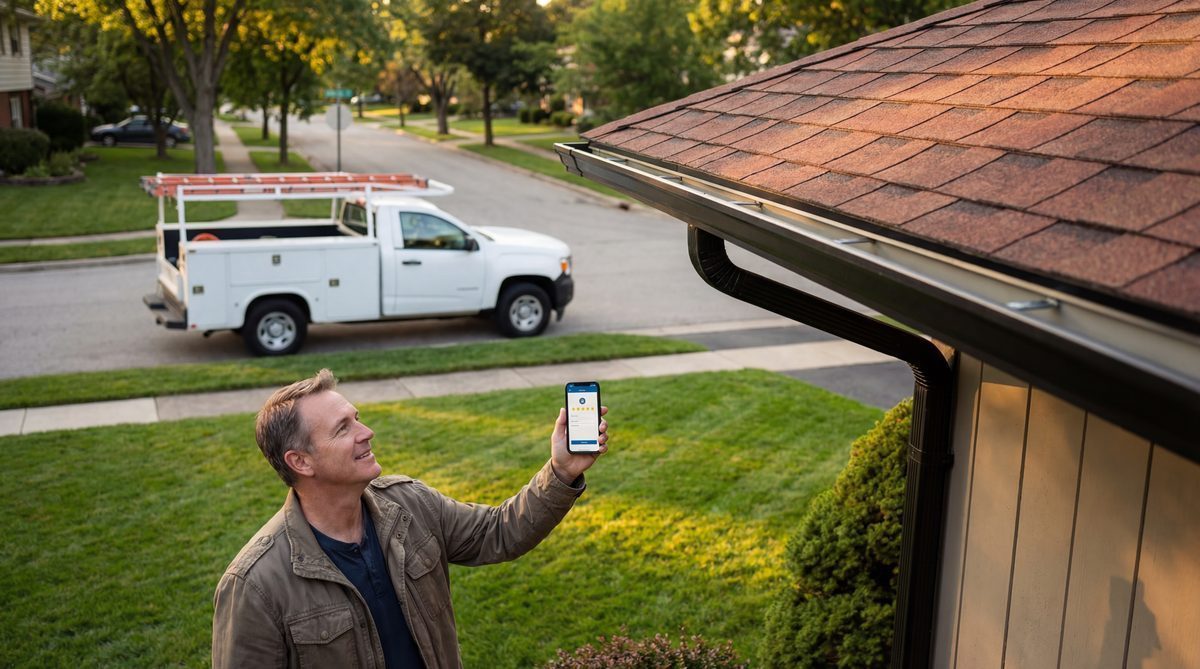
When a homeowner searches “roofing company near me,” Google shows a map with three businesses. “Near me” searches with buying intent have grown over 500%, and getting into that local 3-pack is the single most valuable organic roofing lead generation channel out there. Reviews are what decides who shows up.
Here’s the part most roofers miss: according to BrightLocal’s annual Local Consumer Survey, 87% of consumers read online reviews for local businesses, and 73% only pay attention to reviews written in the last month. So it doesn’t matter if you’ve got 200 reviews if the most recent one is from six months ago. Google wants to see consistent, recent activity.
Send the request at the right moment
The best time to ask is right after the job’s done, when the customer is standing in their driveway looking at a brand-new roof. Not three days later when the excitement’s faded. Automating the request to fire at job completion means the ask lands at that moment every single time, instead of whenever someone in the office remembers.
Make it frictionless
Send a direct link to your Google review page via text. Don’t ask customers to find you on Google, navigate to your listing, and figure out how to leave a review. Every extra step costs you completed reviews.
Follow up once if they don’t respond
A polite reminder 48 hours later picks up a meaningful share of the reviews the first text missed. Just one follow-up though. More than that feels pushy.
An automated review management platform handles this whole workflow (initial request, follow-up reminder, done) so every completed job becomes a chance to strengthen your local search ranking without your team having to remember anything.
Strategy 4: Automated Follow-Up Sequences

Roofing has one of the longest and most unpredictable sales cycles in home services. A homeowner might call you after a storm, get an estimate, then wait six weeks for their insurance adjuster. Or they’re comparing three bids and taking two weeks to decide. Or they need a reroof but want to wait until spring.
Most roofing contractors follow up once, maybe twice, then move on. Big mistake. Research shows that 80% of sales require five or more follow-up contacts, but 44% of salespeople give up after just one.
The average roofing lead needs 3-7 touchpoints before converting. Most companies stop at 1-2 and lose the job to whoever stayed in touch.
Automated follow-up solves this without eating up your time. A well-designed sequence looks something like this:
Day 1: Estimate delivered + thank you text
Day 3: “Do you have any questions about the estimate?”
Day 7: Helpful content, such as what to expect from the insurance process
Day 14: Check-in on decision timeline
Day 30: “We’re booking jobs for next month. Want us to hold a spot?”
Day 60: Seasonal reminder or limited-time financing offer
Each message is personalized with the homeowner’s name, address, and the specific service they requested. Done that way it reads as a helpful, relevant check-in that keeps your company top-of-mind during a long decision process, and nothing like spam. A CRM with automated drip sequences can build and run these follow-ups based on where each lead sits in your roofing sales pipeline.
Strategy 5: Local SEO for Roofers
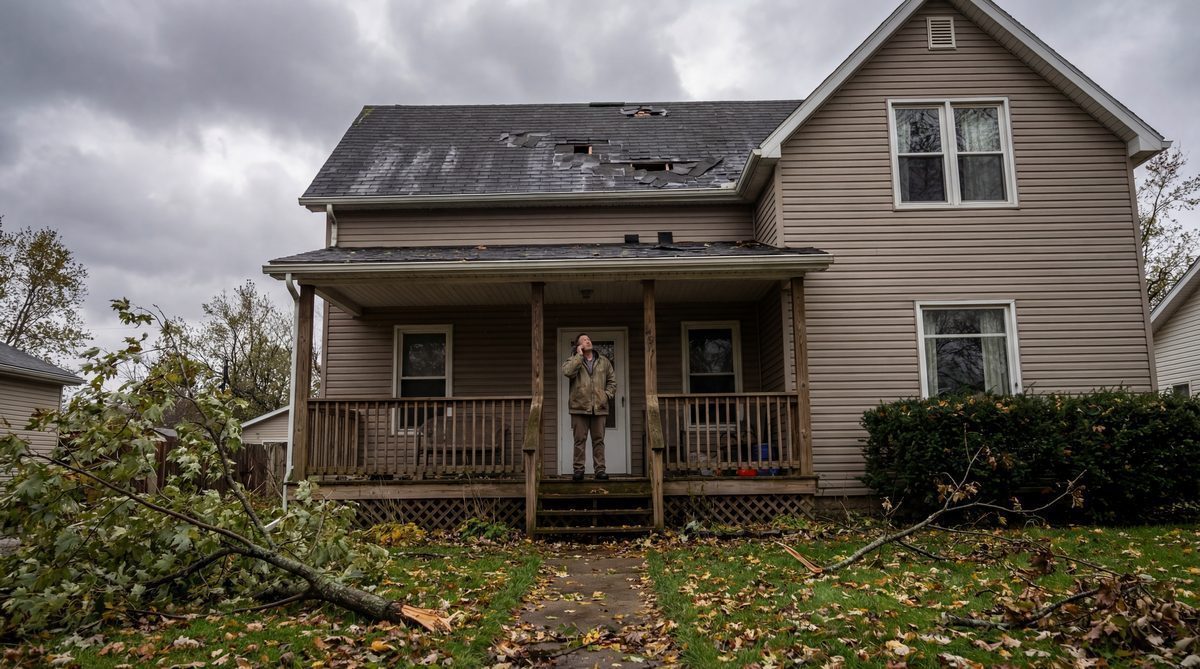
Local SEO is the foundation of sustainable roofing lead generation. Unlike paid leads, organic search traffic compounds over time. A well-optimized Google Business Profile and website can generate a steady stream of inbound calls every month without spending a dollar on advertising.
Three things matter most for roofers:
Google Business Profile Optimization
Your GBP listing is the single most important piece of digital real estate your roofing company owns. Fill out every field: business description with your target keywords, service categories (use all that apply), service area, business hours, and photos. Upload new project photos monthly. Post weekly updates about completed projects, storm damage tips, or seasonal maintenance advice.
Businesses with more than 100 images on their Google Business Profile get 520% more calls than the average business, along with 2,717% more direction requests and 1,065% more website clicks. Photos are one of the cheapest conversion levers a roofer has.
Source: BrightLocal, Google My Business Insights StudyService Area Pages
If you serve multiple cities or counties, you need a dedicated page for each one: a unique page per location with local content, project photos from that area, and specific info about roofing challenges in that market (coastal wind ratings, hail zones, HOA requirements), rather than one page listing every city you serve. That’s how you rank for “roofing company in [city name]” searches across your entire service territory.
Citation Consistency
Your business name, address, and phone number need to be identical across every directory: Google, Bing, Yelp, BBB, Angi, Facebook, Apple Maps, and the 40+ other directories that Google cross-references. Even small inconsistencies like “St” vs “Street” or a missing suite number can hurt your local rankings. Tools like BrightLocal or Moz Local can audit and fix these automatically.
Strategy 6: Referral Automation
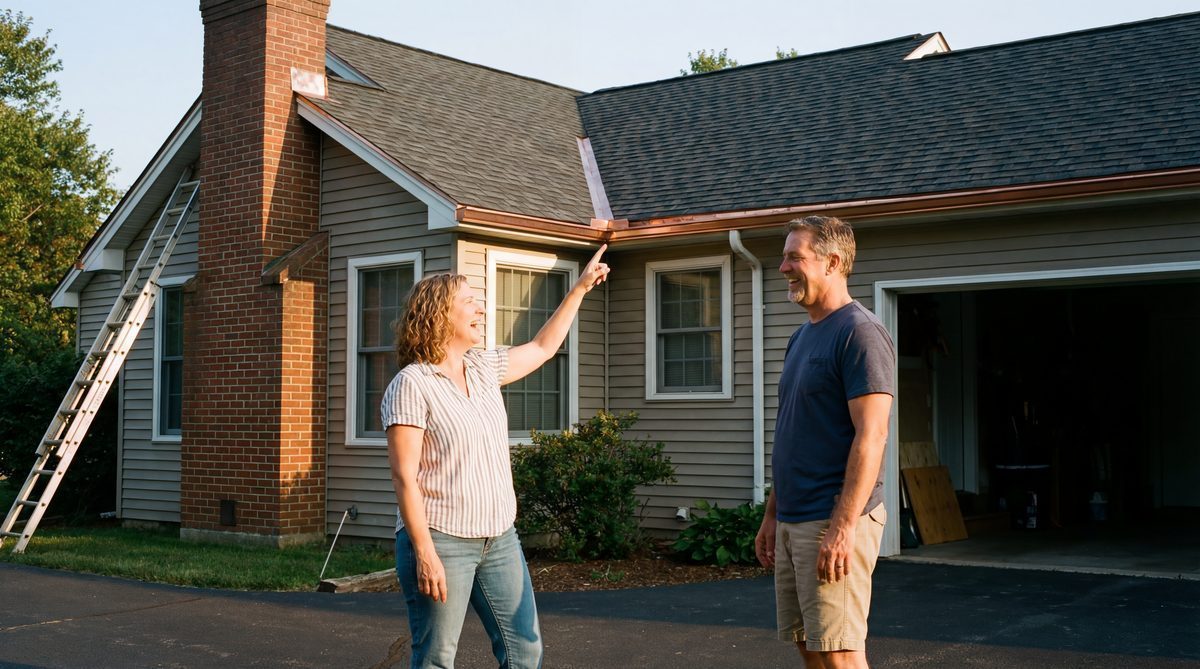
Ask any veteran roofing contractor where their best jobs come from. The answer’s almost always the same: referrals. Referred customers stick around longer and are worth about 16% more, have higher average job values, and are more likely to leave positive reviews themselves. Referrals work. The gap is that most contractors just hope they happen instead of building a system around them.
Referral automation means you’re proactively asking at the right time, in the right way, with the right incentive. Here’s what works:
Ask after the review, not before
Once a customer’s left a 5-star review, they’re already in a great headspace about your company. That’s the moment to ask: “Know anyone else who could use a roof inspection?” Send it via text with a simple referral link they can forward.
Offer a meaningful incentive
A $100-200 gift card for every referral that turns into a completed job costs you nothing relative to the lifetime value of a new customer. Plus it gives the referrer a concrete reason to bring you up in conversation.
Reach out seasonally
After major storms, text your past customers: “We’re helping homeowners in your area assess storm damage. If any of your neighbors need a free inspection, send them our way.” This is the highest-converting referral trigger in roofing because the need is urgent and your customer can literally see the damage on their own street.
The Math: Per-Lead Cost vs. Owned Pipeline
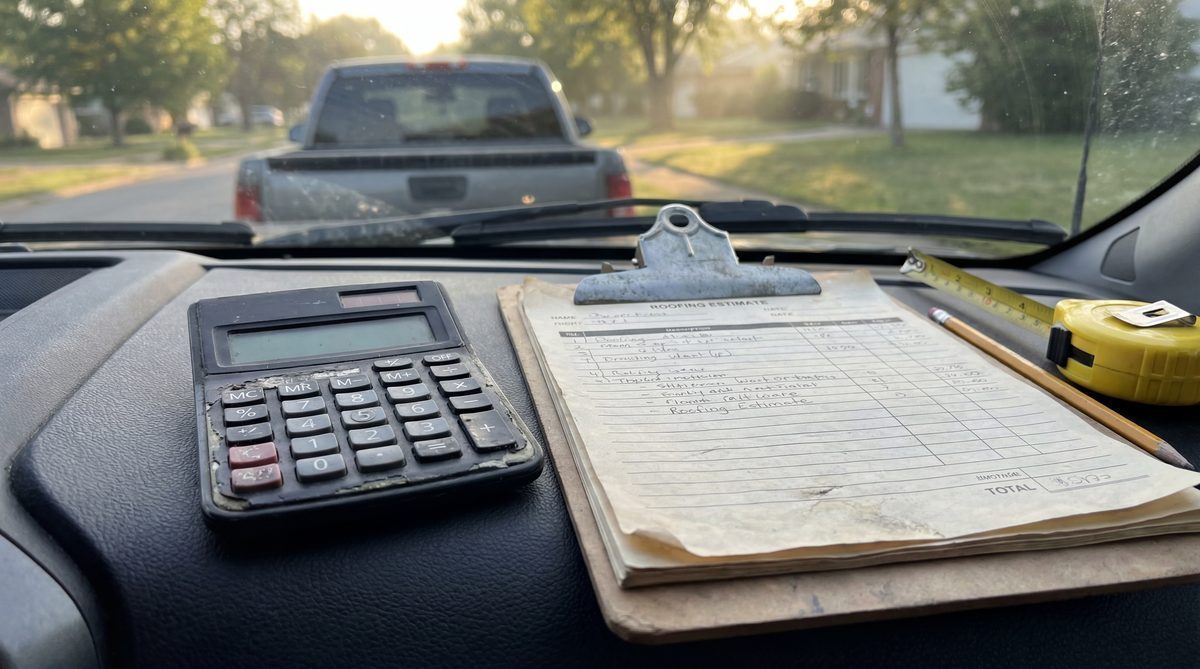
Let’s compare two approaches side by side. Both assume a roofing company doing $1.5M in annual revenue with an $8,000 average job value. Treat the figures as an illustrative model, built from the lead-cost range Angi publishes and typical close-rate spreads, and swap in your own numbers before you make a decision on them.
Pay-Per-Lead Model
Lead cost: $100-150 each
Leads purchased/month: 60
Monthly spend: $6,000-9,000
Close rate (shared): 8-12%
Jobs won: 5-7
Revenue: $40,000-56,000
Cost per acquisition: $1,000-1,500
Annual lead spend: $72,000-108,000
Owned Pipeline Model
Inbound capture stack (24/7 coverage, text-back, review and follow-up automation): software-level spend
Local SEO (DIY or agency): $500-1,500/mo
Monthly spend: roughly $1,000-2,000 all-in
Close rate (direct): 25-40%
Jobs won: 8-15
Revenue: $64,000-120,000
Cost per acquisition: $125-250
Annual spend: $12,000-24,000
- Cost per lead: $100-150
- Monthly spend: $6,000-9,000
- Close rate: 8-12% on leads sold to 3-5 competitors
- Annual cost: $72,000-108,000
- You build someone else's brand
- Stop paying and the pipeline goes to zero
- Cost per lead: near zero at the margin once the system is running
- Monthly spend: roughly $1,000-2,000 all-in
- Close rate: 25-40% on leads only you receive
- Annual cost: $12,000-24,000
- You build your own brand and review profile
- Every review, page, and referral keeps producing
In this model the owned pipeline saves $48,000-96,000 a year while producing more jobs from exclusive leads that close at roughly three times the shared-lead rate. Your numbers will differ. The direction rarely does.
The owned pipeline model produces more jobs at a fraction of the cost. The bigger win is that your investment compounds, well beyond this month’s numbers. Every review strengthens your local ranking. Every happy customer becomes a referral source. Every service area page attracts organic traffic for years. With pay-per-lead, the second you stop spending, the pipeline goes to zero.
That doesn’t mean you should never buy leads. In the early stages of a new market or during a slow season, purchased leads can fill gaps. But they should supplement your owned pipeline, not be the foundation of it. Plug your own call volume, close rate, and job value into the revenue gap calculator to see what the gap looks like at your specific volume.
Bringing It All Together
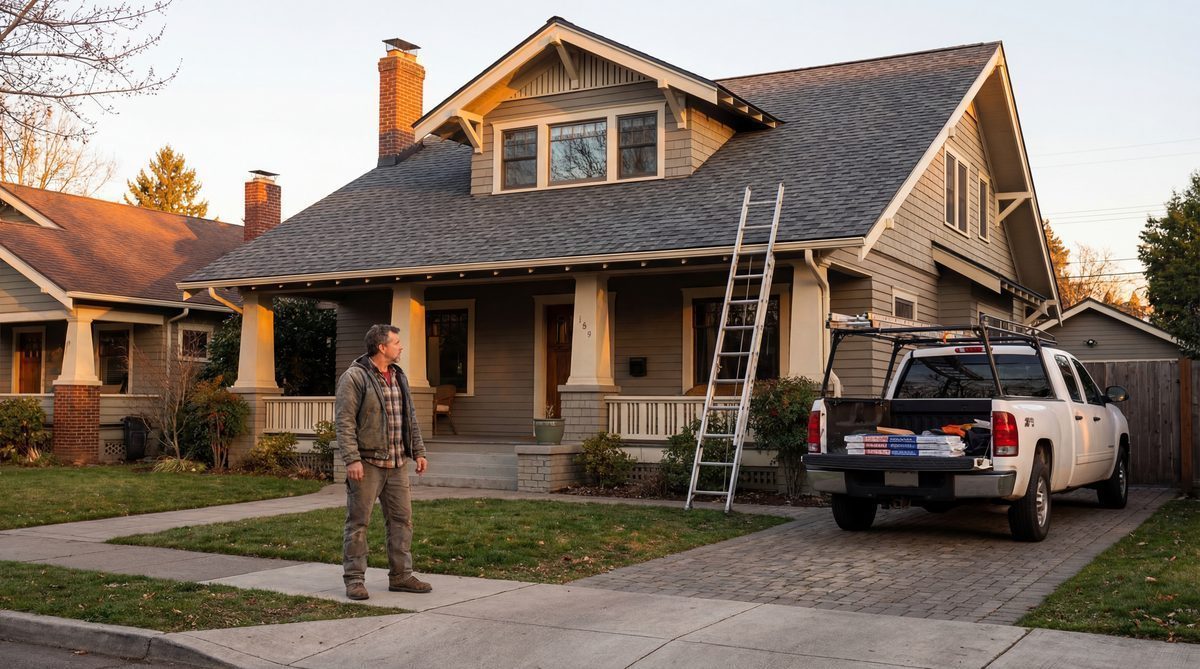
The best roofing lead generation strategy is all six tactics working together as a system. Speed to lead captures the opportunity. Around-the-clock call coverage makes sure nothing slips through. Reviews build your local authority. Follow-up nurtures leads through long sales cycles. Local SEO generates free inbound demand. And referral automation turns every completed job into the next one.
Here’s what most roofers don’t realize: they’re already generating more demand than they think. They’re just leaking leads at every stage, through missed calls, slow follow-up, no review system, and no referral process. Plugging those leaks is faster, cheaper, and more sustainable than buying more leads to pour into a broken funnel.
Where to Go From Here: Two Lanes, Two Next Steps
Roofing lead generation splits cleanly by who signs the contract. Pick the lane that matches your book of business.
If you sell to homeowners
The six strategies above are the whole playbook, and the order matters. Fix response speed and 24/7 coverage first, because those are the leaks that cost you jobs this week. Then layer in review velocity, follow-up sequences, service area pages, and referral triggers, each of which compounds for years after you build it. Before you change anything, put your own call volume, close rate, and average ticket into the calculator so you know which leak is the expensive one.
Run the numbers on your own call volume
Enter your monthly call volume, current answer rate, close rate, and average job value. The calculator shows what missed and slow-answered calls cost a roofer at your size, so you can decide which of the six strategies to fix first.
Run the Revenue Gap CalculatorIf you sell to property managers, facility directors, and GCs
On the commercial side the pain sounds different, and owners describe it the same way: the walkthrough you drove an hour for where the facility director did not know who you were, or had only said yes to get the caller off the phone, or turned out to answer to an asset manager nobody mentioned. The no-show you still got billed for. The owner who is also the only person selling, with no time to prospect between running jobs. The account that walked when a new director inherited the building and brought in their own vendor. And the bid board, where a plan-and-spec package goes out to dozens of shops and owners tell us they win one bid in ten or twenty on a good year.
None of the six strategies above puts you in front of a facility director with a 22-year-old TPO roof and a capital budget meeting next quarter. Commercial roofing demand rarely searches “roofer near me.” It shows up as trigger events:
- A building sale or refinance, which almost always comes with a roof condition report and a deferred-maintenance budget
- A permit or zoning approval for an expansion, a tenant improvement, or a new roof-mounted mechanical package
- A new facility director, property manager, or director of construction who inherits the previous person’s vendor list and wants their own
- A lease event, such as a renewal or a new anchor tenant, that triggers building-envelope obligations
- A service agreement or warranty coming up for renewal with the incumbent
A conversation instead of a competitive bid
Every trigger on that list is a chance to get in front of somebody before the job exists as a bid. A building that sold last quarter has an owner reading a roof condition report right now. A new facility director has a vendor list to build and no loyalty to the old one. Owners who reach those people early describe the difference in one phrase: it becomes a conversation instead of a competitive bid, and the scope, the timeline, and the number get shaped with you in the room. That is how a commercial roofer fills the gaps in the backlog without dropping margin to win on a board.
Reaching those buyers before the RFP goes out takes outbound: a dedicated caller working a researched list, backed by email and LinkedIn, with every meeting qualified against criteria you set. That is the program Ignitvio runs for commercial roofers, and it is a different engagement from the inbound capture layer described above.
Qualified, in practice, means criteria you set before the first call: building size, roof age, a decision-maker on the call, a budget window inside the next 12 months. A meeting that misses the bar does not count toward the minimum.
Who counts as a meeting, and who pays for a no-show
The questions roofers ask before they sign are the right ones, so here are the straight answers. The person dialing is a dedicated, US-based caller on Ignitvio’s team, trained on your trade language and your talk track, never a call center and never an AI dialer. Qualified is never the honor system: every meeting comes to you before it happens with three options, approve it, send the caller back for more information, or cancel it at no charge, and callers are not commissioned on meetings that miss the criteria, so they are paid to disqualify. No-shows are not billed. The qualified-meeting minimum goes in writing, the team works free until it is hit, and the refund election on the build fee at the agreed gate is written into the contract rather than promised on a call. Ignitvio also works with one client per vertical per metro, so your competitor across town cannot buy the same list.
Done-for-you outbound
Where done-for-you outbound fits
Ignitvio runs outbound for you: a dedicated human caller (never a call center, never AI dialing) working alongside cold email and LinkedIn, armed with trigger data such as permits, zoning approvals, personnel changes, building sales, lease events, and contract renewal dates. Every meeting is qualified against criteria we agree on up front and approved by you before it counts. The qualified-meeting minimum goes in writing, and if we miss it we keep working at no charge until it is hit.
-
We qualify
Every prospect is screened against criteria we agree on with you up front.
-
You approve
A meeting counts toward the minimum only after you sign off on it.
-
You close
Your team runs the meeting and the deal. We keep the calendar full.
Built for commercial roofing companies above $3M.
Questions owners ask
Is it a person cold calling or is it AI?
What do you count as a qualified meeting, and what about a no-show?
Does a meeting with a property manager count?
Commercial roofing outbound, with a written meeting minimum
One commercial roofing client closed its first deal from the program inside 45 days, returning more than 100% ROI before the second milestone payment came due. Bring your target metro, building types, and minimum job size to a 15-minute fit call and we will tell you straight whether the model fits.
Book a 15-Minute Fit Call
Jake Melendy
Founder, Ignitvio
Jake Melendy is the founder of Ignitvio. He spent 12 years in enterprise sales and sales leadership, including at Oracle, before building Ignitvio, which runs done-for-you outbound appointment setting for commercial contractors and B2B service companies. He writes about pipeline, trigger-based prospecting, and lead response.