Pest Control Answering Service: Never Miss an Emergency Call
- Pest control calls hit at the worst times, mid-treatment when techs are suited up, after-hours when a homeowner sees a rodent for the first time, and during seasonal surges when call volume can 6x in a week.
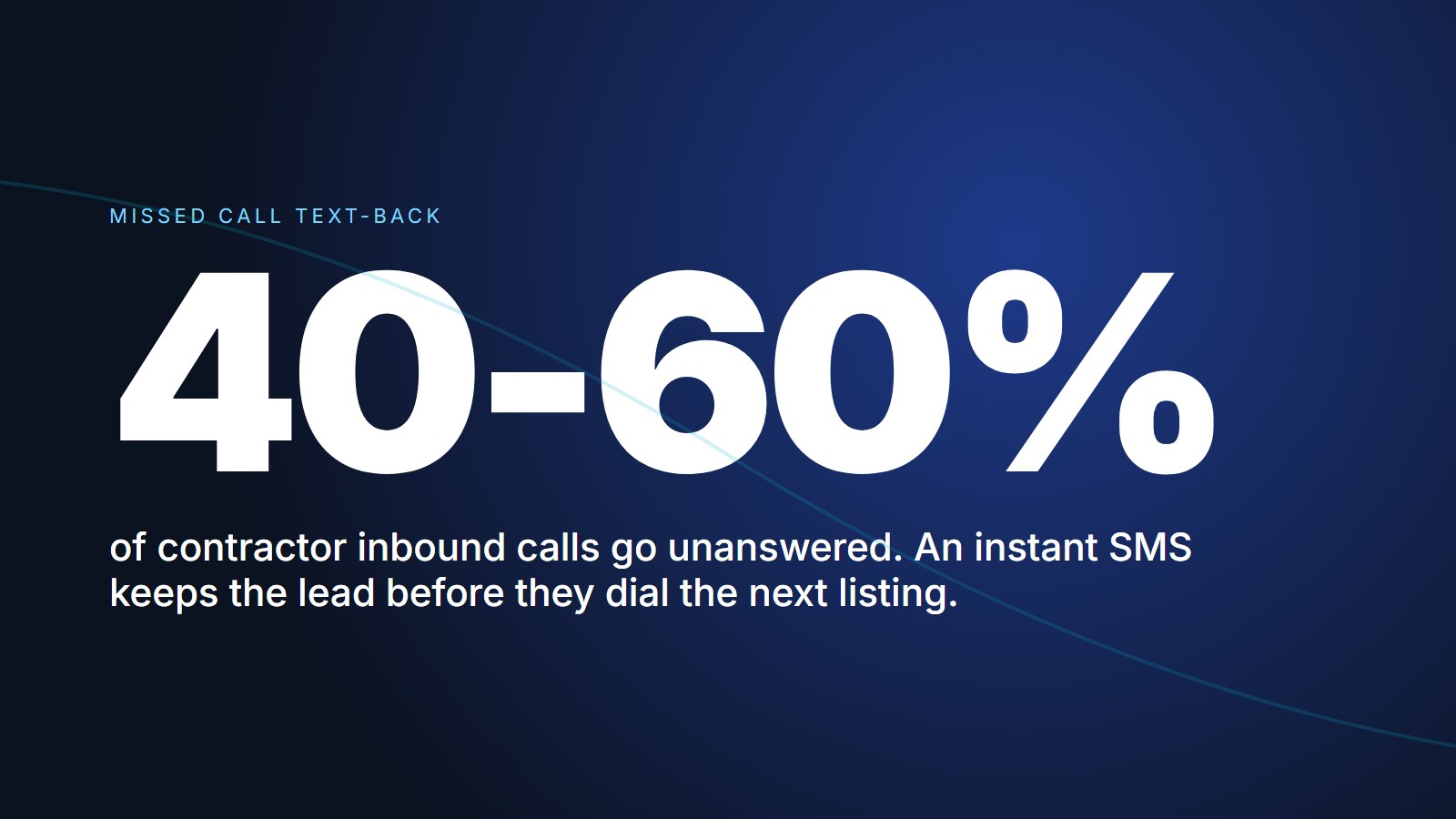
- The average pest control company misses 25-30% of inbound calls. With initial service averaging $200-$500 and recurring contracts worth $400-$1,200 annually per customer, missed calls cost most operators $8,000-$20,000 per month in lost lifetime value.
- Bed bug calls, termite emergencies, and stinging-insect calls are the highest-margin work in the industry, and the ones most likely to be missed because they spike unpredictably and require fast response to win.
- A real pest control answering service does more than take messages, it triages emergencies, schedules the inspection, captures property type and pest specifics, and pushes the booking into PestPac, PestRoutes, FieldRoutes, or your CRM before the caller hangs up.
Why Pest Control Calls Get Missed at the Worst Possible Times

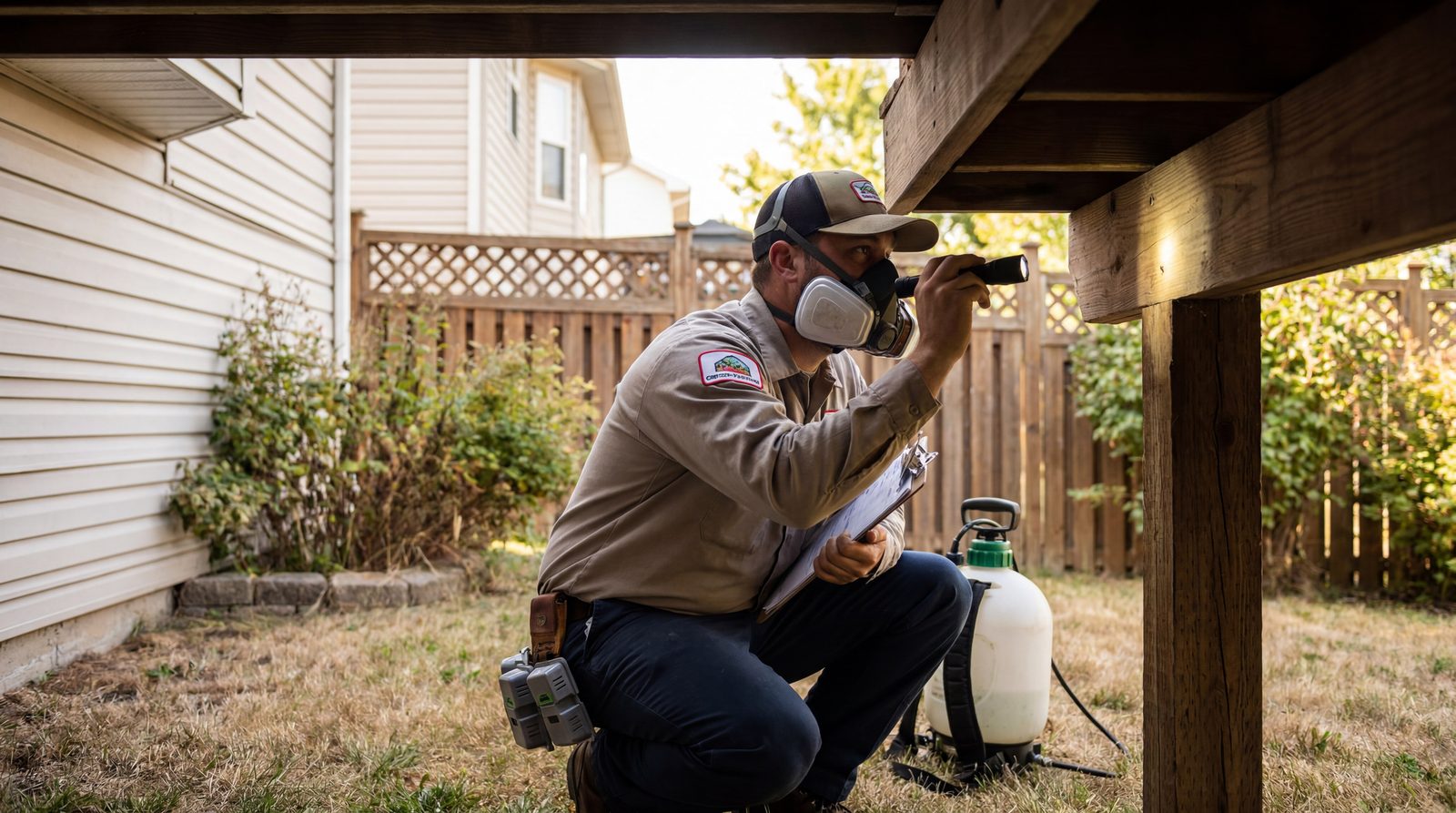
Pest control runs on a brutal call-coverage paradox. The moments your phone rings most are the moments your team physically can’t answer. A tech in a respirator with a B&G sprayer in one hand and a foam dispenser in the other is not answering an inbound call. A two-person crew tarping an attic for a rodent exclusion is not answering an inbound call. A senior tech doing a termite inspection through a crawl space is not answering an inbound call. And the homeowner who just saw a wasp colony fly out of their soffit is calling the next pest control company on the search results page within 90 seconds.
National Pest Management Association industry data consistently shows three structural realities making phone coverage harder for pest control than almost any other home service:
Treatment work physically prevents phone access
Unlike HVAC or plumbing where a tech has at least one hand free most of the time, pest control work involves PPE that makes phone use impossible. Respirators with face seals, chemical-resistant gloves, full-coverage suits, none of that comes off mid-treatment for a phone call. The tech doing the work cannot also field the calls.
Pest emergencies are seasonal and unpredictable
Spring termite swarms, summer wasp colonies, fall rodent migrations indoors, bed bug outbreaks tied to travel cycles, pest control sees 4-6x normal call volume during seasonal events that you can predict by the season but can’t predict the exact day. PCT Magazine’s industry surveys show that the highest-call-volume days of the year for most operators come with zero advance warning. Hiring a full-time receptionist for the average doesn’t solve for the surge.
The customer is panicking, not shopping
A homeowner who just saw a roach run across the kitchen floor or a child who got stung by a wasp at the back door isn’t comparison shopping. They want someone to come now. Angi’s homeowner research shows pest control has one of the highest “first-call-wins” rates of any home service category, buyers don’t get three quotes for a roach problem the way they do for a bathroom remodel. They book whoever picks up.
In monthly lost lifetime value for a typical pest control operator missing 25-30% of inbound calls. Initial treatment averages $200-$500, recurring contracts worth $400-$1,200 annually per customer.
Source: National Pest Management AssociationThe combination is unforgiving. The most lucrative calls (emergency stinging-insect work, bed bug eradication, termite emergencies) land at the most chaotic moments and require the fastest response to win.
The High-Margin Calls Pest Control Operators Lose Most
Not every missed call hurts equally. Knowing which call types you’re losing tells you how much revenue you’re actually leaking.
Bed bug calls
The highest-margin work in residential pest control. NPMA’s bed bug data shows treatment runs $1,000-$2,500 per home for chemical and $2,500-$5,000+ for heat treatment. The homeowner is in full panic mode and will book the first company that picks up. Miss this call and you’ve lost a $2,000+ ticket plus the recurring inspection and prevention work that often follows.
Stinging insect emergencies
Wasp and hornet calls spike on hot afternoons when colonies are most active. A homeowner with a child who got stung or a soffit colony that just emerged is dialing fast. These are typically $250-$600 single-treatment jobs, but they convert to recurring service at very high rates because the homeowner now wants quarterly preventive coverage.
Termite swarms and inspections
Spring swarms generate panic calls, homeowners who see a cloud of winged insects in the living room don’t know if it’s termites or flying ants and they want an inspector out today. Termite work runs $1,200-$2,500 for liquid treatment, $2,500-$5,000 for bait systems, plus annual monitoring contracts. Miss this call and you’ve lost the most valuable single ticket in residential pest control.
Rodent emergencies
Mice in the kitchen during fall migration, rats in the attic, squirrel exclusion work, all spike seasonally and all require fast response. Exclusion and remediation work typically runs $500-$2,000 per job with strong follow-on for ongoing monitoring.
Commercial accounts requesting after-hours response
Restaurants with a roach sighting before health inspection. Warehouses with a rodent issue affecting product. Hotels with a bed bug report from a guest. Commercial pest control accounts are worth 5-10x residential accounts in lifetime value, and they have zero patience for voicemail when something urgent comes up.
Recurring-contract upsell calls
Existing customers calling about a new issue at their property, these convert to expanded service contracts at very high rates because the trust is already built. Miss the call and you’ve potentially lost not just the new issue but the entire recurring contract if the customer feels neglected.
Why Pest Control Customers Call (and What They Need)
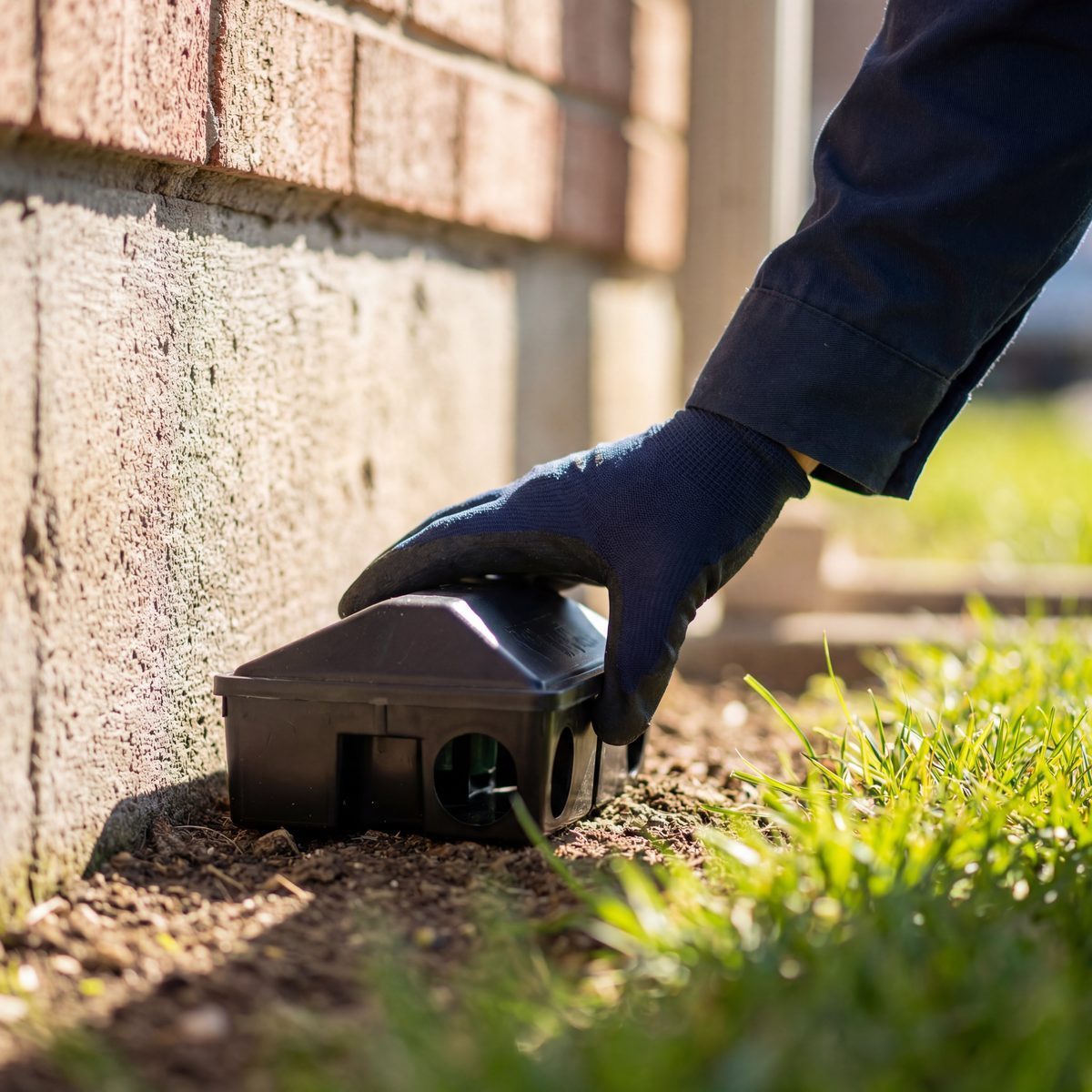
Pest control customers fall into roughly three modes when they call, and a generic “leave a message” approach fails all three.
Panic mode
The customer just saw something that scared them, a wasp swarm, a rat in the bathroom, a bed bug crawling on the bedsheet. They’re not researching. They’re not getting three quotes. They want someone on the phone immediately to confirm the situation is fixable and to commit to a visit time. A voicemail tells them you’re not available, which means they call the next company. Service Direct’s lead conversion data shows pest control panic-mode calls have a 70%+ “first-answered-wins” rate, the company that picks up gets the job, almost regardless of price.

Recurring service mode
Existing customers calling for routine service questions, scheduling adjustments, or to add a new property. These customers expect responsive service because they’re paying you ongoing. Voicemail damage on these calls accumulates over months, the customer who keeps not getting through eventually cancels.
Quote-shopping mode
Lower-urgency calls, often for preventive treatment plans or non-emergency situations. These customers may call 2-3 companies and get formal quotes. Speed matters less, but capability matters more, they’re evaluating you on the call.
What every category needs:
- Someone to pick up fast. Within 2 rings. No phone tree menu before they reach a person, most pest customers will hang up on “press 1 for service, press 2 for billing” because their problem is too immediate to navigate.
- Someone to ask the right diagnostic questions. What did you see? Where? How many? When did it start? What kind of property? Pets in the home? Children with sensitivities? These questions matter for treatment planning and help the customer feel handled before the tech ever arrives.
- Someone to give a real ETA. “We can have a tech there tomorrow between 10 and noon” closes the call. “Someone will get back to you” loses it.
- Someone to handle the deposit or service-fee question without escalation. Most pest companies charge $50-$150 for the inspection or initial service fee. The caller needs to know this before they book, and getting the right answer on the call (not “the office will call you back to discuss pricing”) closes the booking.
- Someone to text a confirmation. A 30-second confirmation SMS, “Confirmed for tomorrow 10-12, $79 inspection fee, please secure pets in another room”, keeps the customer from calling competitors after the fact.
How many pest control calls is your business missing right now during peak season?
We’ll mystery-shop your business, call during a Tuesday afternoon treatment window, call after-hours about a wasp emergency, call from an out-of-area number about a bed bug situation, and show you exactly where the leads are slipping. Free. Results in 48 hours.
How Pest Control Answering Services Actually Work
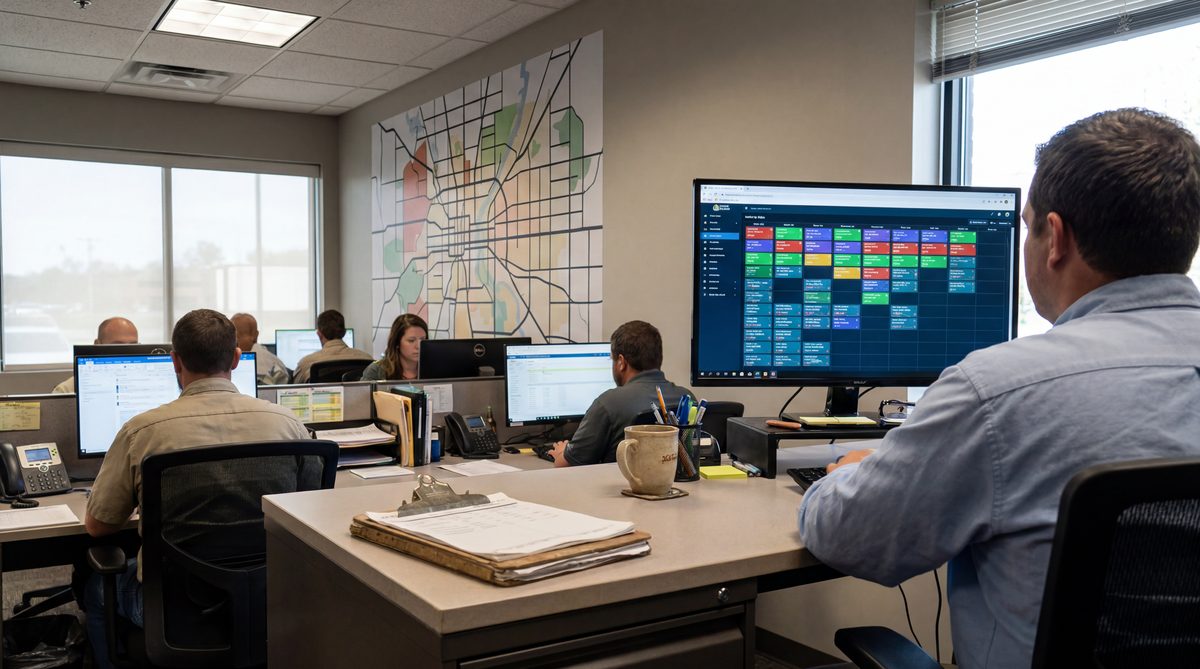
A pest control operator shopping for an answering service in 2026 faces three categories with very different fits.
Traditional live answering services (Smith.ai, Ruby, AnswerConnect, PATLive) employ remote human operators who pick up your calls and follow a basic script. They typically can’t access PestPac, PestRoutes, FieldRoutes, or whatever software you use for routing and dispatch. They take a name, number, and reason for calling and send it to you as an email or text. You still have to call the customer back, which means voicemail tag, which means a third of those leads disappear per Drift’s lead-response data.
Pricing typically runs $150-$500/month for a small pest control operator, with per-minute overage fees. Spring and fall, your peak seasons, are when overage fees actually hurt because that’s when call volume surges most.
Pest-industry-specific receptionist services are a smaller category, a handful of operators who train staff specifically on pest control workflows and software. Better than generic, but still bottlenecked by human call capacity. They handle peak-day surges by adding hold queues, which works for non-urgent calls but loses the panic-mode bed bug caller who won’t wait 4 minutes.
AI-powered pest control answering services work fundamentally differently. The AI picks up, asks the diagnostic questions appropriate for the pest type, prices the inspection or initial service fee based on your rate card, books the appointment directly into your dispatch software, and routes commercial vs residential vs emergency calls per your rules. Modern AI answering services handle the natural conversation flow of a homeowner explaining “I think they’re roaches but they look bigger than the ones I saw in pictures” without forcing the caller into a rigid menu.
Pricing typically runs $300-$1,000/month flat, peak season costs the same as winter slow weeks. For a category with 4-6x seasonal swing, this is the only cost structure that doesn’t punish you for being busy.
Live Humans vs. AI for Pest Control Specifically
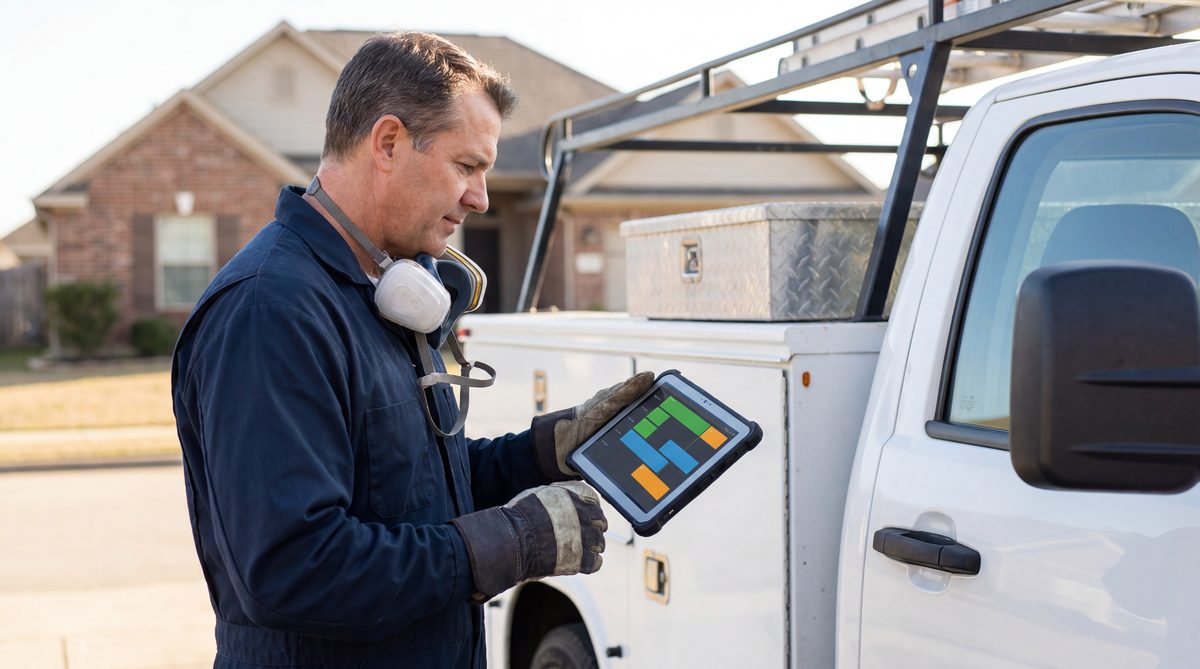
Side-by-side comparison for the call patterns pest control actually deals with:
Coverage during emergency hours
Bed bug calls, wasp emergencies, and rodent panic calls happen evenings and weekends as often as during business hours. Human services charge premium for after-hours coverage and weekend coverage. AI runs 24/7 at one rate.
Pest-specific triage
The difference between “this is a true wasp emergency, dispatch today if possible” and “this is a one-off ant sighting, schedule for the regular route” is where most of the value lives. AI configured for pest workflows handles this with rules you set once. Generic human operators don’t know the difference.
Surge capacity
A 95-degree day brings a flood of stinging-insect calls. The first warm spring day brings termite swarm calls. AI handles 50 simultaneous calls without delay. Human services either drop calls or queue them on hold for 5-10 minutes, and pest customers don’t wait on hold during a panic.
Software integration
PestPac, PestRoutes, FieldRoutes, GorillaDesk, modern pest software supports API integration that lets the AI book directly into your route. Generic human services almost never integrate, which means every booked call requires double-entry by your office staff.
Deposit and pricing handling
A good AI service quotes the inspection fee, takes the deposit if you charge one, and confirms the appointment all in one call. Human operators almost never handle payment, which means another callback to actually book.
What to Look for Before You Sign Up

Five capabilities that actually matter for pest control specifically:
Pest-type-specific call flows
The system needs different conversation flows for general pest, bed bug, termite, rodent, wildlife, and commercial calls. Bed bug callers need different qualifying questions than ant callers. The system should ask the right ones.
Real-time route booking
The AI must see your existing route in real time and offer slots that actually fit, not double-book your tech in two zip codes 40 minutes apart. Look for native PestPac, PestRoutes, FieldRoutes, or GorillaDesk integration.
Inspection-fee and deposit handling
If you charge $79-$149 for the initial inspection, the AI should quote it, take the deposit on the call, and email a confirmation with what to expect. This eliminates the “we’ll have the office call you back about pricing” delay that loses bookings.
Commercial vs residential routing
Commercial accounts (restaurants, warehouses, hotels, property management) need different handling than single-family homes. Different urgency rules, different decision-makers to route to, different escalation paths. The AI should ask the right qualifying question early and route correctly.
Missed call text back
For the rare calls the AI can’t handle (oddly framed questions, callers who insist on a human, network drops), automatic SMS catches the lead before they dial a competitor. See the full mechanism in our breakdown of missed call text back for service businesses.
How Ignitvio Handles Pest Control Calls
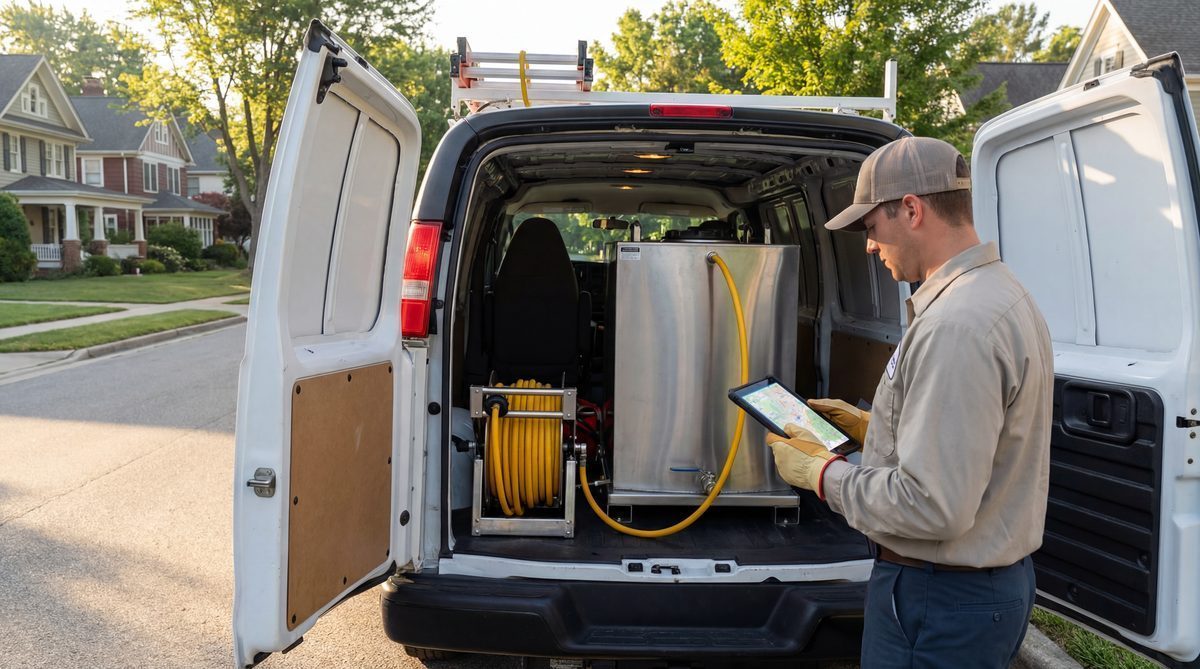
Ignitvio is a done-for-you AI answering system built for pest control operators who are losing high-margin emergency work to missed calls but can’t justify $50,000+ a year for an office staffer to fix it.
Here’s what it does for a pest control business:
- Voice AI answers every call, during treatment work when techs are suited up, after-hours when the team’s gone home, and during peak seasonal surges when call volume goes 6x. Picks up within 2 rings, sounds natural, books the inspection on the call.
- Pest-specific triage rules, bed bug calls trigger one flow, termite swarms another, commercial accounts a third. The AI distinguishes a true emergency (wasp colony with kids in the home, bed bug situation, rodent in the kitchen) from routine quarterly service requests and dispatches accordingly.
- Native PestPac, PestRoutes, FieldRoutes, GorillaDesk integration, booked appointments hit your route before the call ends. No double-entry. No “we’ll add it tomorrow.” Tech ETA, address, customer history, and treatment notes all sync.
- Inspection-fee quoting and deposit handling, the AI quotes your standard inspection fee, takes the deposit if you charge one, and confirms the appointment with a follow-up SMS containing prep instructions (secure pets, clear under sinks, vacate during treatment, etc.).
- Commercial vs residential vs emergency routing, restaurant call gets routed to your commercial coordinator. Bed bug call gets bumped to the front of the route. Quarterly recurring customer gets confirmed without escalation. All by rules you set once.
- Missed Call Text Back catches anything that slips. Bad signal? AI handoff issue? Instant SMS: “Sorry we missed you, what’s going on with your property?” The AI picks up the text conversation and books the inspection.
- Automated follow-up chases every quoted inspection that didn’t book and every “I want to think about it” call. Gentle reminders at 1, 3, 7, 14, and 30 days, until they book or opt out. You recover the bed bug and termite jobs that would otherwise vanish into a competitor’s pipeline.
The highest-impact change for a pest control operator is keeping the high-intent emergency calls that already had buying intent. The homeowner who called in panic about a wasp colony at 7 PM is a job you don’t have to sell. You just have to answer the phone.
Without Ignitvio vs. With Ignitvio
- 25-30% of calls go to voicemail during treatment hours
- Bed bug and wasp emergency calls go to whoever picks up first (usually competitors)
- Spring termite swarm season overwhelms the office and calls drop
- Inspections quoted but never booked because deposits weren't taken on the call
- Commercial accounts call multiple times before reaching anyone
- Recurring customers feel ignored when they can't reach the office quickly
- Every call answered within 2 rings, 24/7/365
- Bed bug, wasp, and termite emergencies triaged and dispatched in real time
- Peak-season surge handled in parallel, 50 calls in an hour, all answered
- Inspection fees quoted and deposits taken on the booking call
- Commercial accounts get routed to the right coordinator the first time
- Recurring customers get same-day confirmation, every time
Illustrative comparison of the two operating models, not a measured client result.
The math is simple. If you miss 6 high-margin calls per month (bed bug, termite, commercial emergency) and the system captures 4 of them at an average ticket of $1,500, that’s $6,000/month in recovered single-treatment revenue alone. Add the recurring contracts that follow from those captures, averaging $600-$1,200/year apiece in lifetime value, and the ROI gets ridiculous fast.
Setup runs under a week. We configure it for your service area, your treatment specialties (general, bed bug, termite, wildlife, commercial), your software stack, your inspection fees, your seasonal surge protocols, your commercial account handling, and your standard follow-up cadence. You tell us how you want each pest type and account type handled. We build it in. Then it runs.
Stop Losing Bed Bug and Termite Jobs to the Next Pest Company
See how many emergency calls you're missing right now
We'll mystery-shop your business, including a panic-mode bed bug call, an after-hours wasp emergency, and a termite-swarm inspection request, and show you exactly how many jobs you're losing and what they're worth. Free. No pitch.
Get Your Free Revenue Audit
Jake Melendy
Founder, Ignitvio
Jake Melendy is the founder of Ignitvio. He spent 12 years in enterprise sales and sales leadership, including at Oracle, before building Ignitvio, which runs done-for-you outbound appointment setting for commercial contractors and B2B service companies. He writes about pipeline, trigger-based prospecting, and lead response.