Cosmetic Surgery Marketing: An Honest Playbook
- Cosmetic surgery leads cost $50-$200 each on average, and most practices lose 60-70% of them to slow response times, thin follow-up, and unqualified consultations.
- The real growth lever isn’t more leads. It’s higher consultation-to-procedure conversion. A 10% bump there is worth more than doubling your ad spend.
- Patients researching cosmetic procedures spend weeks or months evaluating options. The practice that stays top-of-mind through automated nurture sequences wins the booking.
- Before-and-after content, responsive booking, and credible reviews are the three assets that separate practices hitting 40% consultation conversion from those stuck at 10%.
Why Cosmetic Surgery Marketing Is Completely Different
Most “lead generation” advice was written for plumbers or real estate agents. It doesn’t survive contact with cosmetic surgery. The buying journey here looks nothing like other service businesses, and if your marketing strategy was built on generic playbooks, you’re almost certainly wasting money.
Here’s what makes cosmetic surgery uniquely hard:
The decision timeline is long
A homeowner with a clogged drain decides in 10 minutes who to call. A woman considering breast augmentation often spends weeks to months researching before scheduling a consultation. She’ll visit 10+ websites, read dozens of reviews, scroll through hundreds of before/afters, and compare 3-5 practices. If you’re not still in her consideration set when she’s ready to book, all your ad spend was wasted.
It’s cash pay, high ticket
Insurance doesn’t touch most cosmetic procedures. Patients pay $3,000-$15,000+ out of pocket. That changes everything about the buying decision. They’re not calling because something’s broken. They’re investing in themselves, which means the emotional stakes are higher, the research is deeper, and the deciding factors are different. Trust, credentials, and the vibe of your practice matter more than the quickest response time.
The lead isn’t ready to buy when they fill out the form
In most service businesses, an inquiry means “I need this, who can do it fastest?” In cosmetic surgery, an inquiry usually means “I’ve been thinking about this and I want more information.” There’s a huge gap between interest and commitment. Practices that treat every lead like a hot buyer and push for an immediate booking push most of them away.
Comparison shopping is built in
Patients don’t pick one surgeon. They book 2-3 consultations and pick between them. Your competition isn’t the next practice that calls her back, it’s the specific doctor whose before-and-afters she liked, whose Instagram aesthetic matched hers, whose office looked the cleanest in Google photos.
Add all that up and cosmetic surgery lead generation isn’t really about generating more leads. It’s about capturing leads, nurturing them through a long decision window, qualifying them before the consultation, and converting them at the consultation. Miss any of those four, and you’re running ads that fund other practices’ growth.
Where Cosmetic Surgery Leads Actually Come From in 2026
Before you spend another dollar on marketing, know where your actual leads are coming from. Most cosmetic surgery practices spread their budget across every channel their competitors run and wonder why their cost-per-acquisition keeps climbing.
Here’s the breakdown of where high-performing cosmetic surgery practices actually source leads:
Google search (30-40% of leads)
High intent. Someone searching “breast augmentation Miami” or “rhinoplasty Dallas” is deep in the consideration phase. WordStream’s cost-per-lead benchmarks put cosmetic surgery CPCs at $8-$25 per click, with lead costs averaging $50-$150 per qualified inquiry. Expensive, but the leads convert faster than any other channel.
Instagram and TikTok (25-35%)
Before-and-after content dominates. Patients scroll, find a result they like, tap through to the practice. The American Society of Plastic Surgeons calls social media the number one method of advertising in plastic surgery, because the visual nature of the work makes it ideal for the feed. The practices that win here post patient results daily and run paid ads featuring actual patient outcomes.
RealSelf, RateMD, and review platforms (15-25%)
RealSelf in particular is where serious researchers land. A practice with 50+ glowing RealSelf reviews and answered questions gets consultation requests directly from the platform. This is a channel most practices underinvest in because it requires consistent response work.
Referrals (15-20%)
Existing patients referring friends and family. Nielsen’s consumer research found 92% of consumers trust referrals from people they know more than any other form of marketing. In cosmetic surgery, where outcomes are visible and social proof is everything, referrals close at 2-3x the rate of paid ads.
Organic SEO and content (10-15%)
Blog content, condition-specific landing pages, and YouTube procedure walkthroughs. Slowest channel to build but cheapest cost per acquisition long-term.
The practices scaling past $3M in revenue aren’t running every channel equally. They’re finding their two or three highest-ROI channels and doubling down, while automating the follow-up systems that actually convert leads across all of them.
The Consultation Economy: What Patients Actually Care About
Here’s the uncomfortable truth about cosmetic surgery consultations: patients don’t pick the best surgeon. They pick the surgeon they trust most. Credentials matter, but they’re table stakes. Every board-certified plastic surgeon in your market has the same core qualifications. What actually separates the practices booking 40% of consultations from those booking 10% comes down to five things:
Before-and-after photos
Not stock images. Not “representative results.” Actual patient photos, consistent lighting, multiple angles, diverse body types. American Society of Plastic Surgeons data indicates patients review an average of 100+ before/after images before choosing a provider. Practices with weak portfolio pages lose leads in the research phase, long before anyone picks up the phone.
Credibility signals
Board certification, hospital privileges, years in practice, case volume, publications, and speaking engagements. These need to be front and center on every page of your site, not buried in an “About” section. Patients investing $10K in their appearance are validating every signal you give them.
Practice aesthetic
This one’s subtle but powerful. The photos of your office, your team, your waiting room, your recovery areas, they all signal what kind of patient experience to expect. A practice that feels cold, clinical, or dated in its online presence loses leads to practices that feel warm, modern, and intentional. Patients project the aesthetic of your online presence onto the experience of actually going there.
Review volume and quality
Not just star ratings, the specifics. Reviews that mention the doctor by name, describe the procedure clearly, and reference specific staff members feel authentic. BrightLocal’s 2025 review research shows star rating is the #1 factor consumers use when judging a business, but for high-ticket services like cosmetic surgery, review depth matters almost as much as star count.
Response quality and speed
When a patient does fill out a consultation request form, the response needs to feel human, warm, and fast. Not a generic auto-reply. Not “we’ll be in touch within 48 hours.” A personalized response within an hour, ideally with specific information about the procedure they asked about, converts 3-4x better than the industry standard.
Every one of these is either obvious once you think about it or built over years. The good news: the last one, response quality and speed, is where most practices fail, and it’s the easiest to fix.
How many consultation leads is your practice losing to slow response times?
We’ll mystery-shop your practice, submit a web form, call during hours, call after hours, and show you exactly where leads are slipping through. Free. Results in 48 hours.
The Lead Qualification Problem That’s Killing Your Ad Spend

Cosmetic surgery lead generation has a qualification problem that most practices don’t realize is killing their ROI.
Here’s the pattern. You run Google Ads. Leads come in. Your team, usually a patient coordinator juggling five other things, calls them back at some point that day. Of every 10 leads:
- 3-4 never answer the callback. They’ve moved on.
- 2-3 answer but aren’t actually good fits (wrong procedure, wrong budget, just curious).
- 2-3 book a consultation but are lukewarm. They no-show 40-60% of the time.
- 1-2 are high-intent, show up for the consultation, and actually convert.
So out of 10 paid leads, you’re getting 1-2 booked procedures. If your leads cost $100 each, your actual acquisition cost is $500-$1,000 per procedure. For a $6,000 surgery, that’s not catastrophic. But it’s also why most practices feel like they’re on an advertising treadmill, spending more every year to keep revenue flat.
The fix isn’t more leads. It’s better qualification at the moment of first contact. A good intake conversation should:
- Confirm the specific procedure they’re interested in (or help them identify it)
- Establish whether their goals are realistic for their anatomy (not “yes we do that”, “here’s what that procedure can and can’t deliver”)
- Screen for readiness (how soon they want to schedule, whether they’ve had consultations elsewhere)
- Gauge budget fit without being tone-deaf about it
- Book only the leads with real intent and reasonable expectations
Doing this manually is expensive. A trained patient coordinator handling 30-50 lead intake calls a day is a $50-$70K hire that burns out fast. And most practices don’t have that person, they have a receptionist doing this work between appointment check-ins.
This is where AI answering services have started changing the math for cosmetic surgery practices specifically. The technology can now handle the entire first-touch conversation, ask the right qualifying questions, provide accurate procedure information, book consultations for qualified leads, and send nurture sequences to the ones who aren’t ready yet. It’s consistent every time, available 24/7, and costs a fraction of a dedicated patient coordinator.
Speed to Consultation: The Metric Most Practices Aren’t Tracking
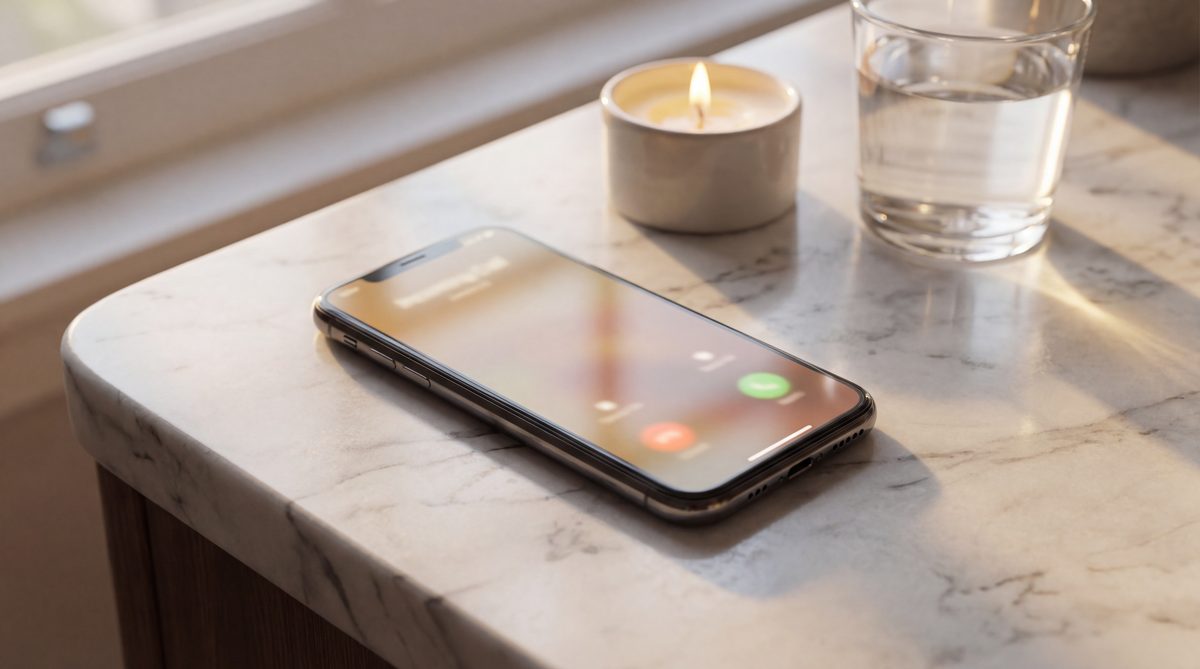
Here’s a metric most cosmetic surgery practices don’t track but absolutely should: time from lead submission to consultation booked. Not “time until we called back.” Time until the appointment is actually on the calendar.
The data on response speed is brutal. Harvard Business Review’s MIT study found contacting a lead within one hour makes you 7 times more likely to qualify them. After that first hour, conversion rates collapse. The same study found that even a 5-minute delay versus a 30-minute delay produces a massive gap in eventual conversion.
For cosmetic surgery specifically, the issue isn’t just response time, it’s where the lead is in their research process when you respond. A patient who filled out a form at 9 AM on a Saturday is actively researching. She’s comparing you against two other practices right now. If those other practices have responded by Saturday afternoon and you respond Monday morning, you’ve lost the comparison. The decision was made over the weekend.
The practices that have fixed this have built three things:
Instant acknowledgment
A lead form submission generates an automated, personalized email or SMS within 60 seconds. Not “thanks for your interest”, something specific: “Hi Sarah, thanks for reaching out about rhinoplasty. I’ll personally follow up within the hour. In the meantime, here are a few before-and-afters from recent patients that might be helpful.” That single automated touch keeps you in the consideration set while your coordinator works through the queue.
Real-time consultation booking
Instead of “someone will call you back,” the lead gets an immediate link or phone option to book their consultation directly onto the calendar. Self-service booking converts 2-3x better than phone tag because it lets the patient act on her intent in the moment.
Systematic follow-up for the ones who don’t book immediately
Most cosmetic surgery leads don’t convert on the first touch. Marketing Donut’s research found 63% of people requesting information won’t buy for at least three months. You need automated follow-up at 1 day, 3 days, 1 week, 2 weeks, 1 month, 3 months, with content that matches where they are in the research process. The practice that stays top-of-mind through those months wins the booking.
Automating the Patient Journey
Doing all of this manually is where most cosmetic surgery practices stall. The coordinator can’t take every call, answer every inquiry in under an hour, and simultaneously run a 3-month nurture sequence on every unconverted lead. Something has to give, and what usually gives is the follow-up, which is exactly where the money is.
The sequence that actually works for cosmetic surgery practices:
- Lead form or call comes in. Instant acknowledgment sent via SMS or email within 60 seconds.
- Qualification conversation. AI (or human) handles initial intake, screens for procedure fit, budget, timeline.
- Consultation booking. Qualified leads book directly onto the calendar during the first interaction. No phone tag.
- Pre-consultation nurture. Leads who book get procedure-specific information, before-and-after galleries, and testimonials in the days leading up to their consultation.
- Reactivation sequence for no-shows and not-ready-yet leads. Automated touches at smart intervals for 90+ days.
- Review request after the procedure. Automated post-op request for Google and RealSelf reviews.
Each of these used to require staff time. None of them do anymore. And the compound effect of doing all of them, not just one or two, is what separates practices that scale from practices that plateau.
How Ignitvio Works for Cosmetic Surgery Practices
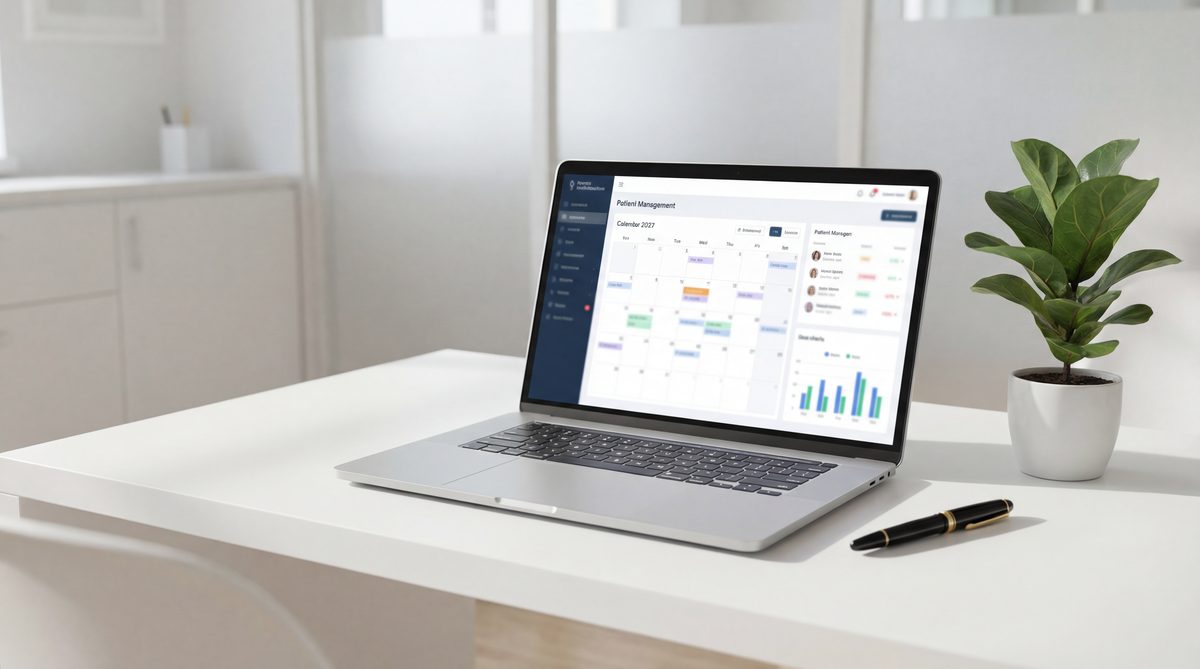
Ignitvio is a done-for-you patient communication and lead conversion system built specifically for cosmetic surgery and aesthetic practices. We handle the entire lead-to-consultation-to-procedure pipeline so your patient coordinator can focus on the patients who actually show up.
Here’s what it does for a cosmetic surgery practice:
- Voice AI answers every call, during business hours when the front desk is buried in check-ins, after hours when prospective patients are researching at 10 PM, and on weekends when your competitors are sending callers to voicemail. Natural conversation, procedure-specific knowledge, and the ability to book consultations on the spot.
- Missed Call Text Back catches the leads that slip through. Instant SMS to anyone whose call wasn’t answered: “Hi, I’m sorry we missed you, can I help you schedule a consultation?” The AI picks up the conversation and books the appointment.
- Automated nurture sequences for every lead that doesn’t book immediately. Customized by procedure interest, sent at smart intervals, with the content that keeps you top-of-mind through the 3-month research window.
- Pre-consultation communication sends procedure-specific info, before/after galleries, and testimonials in the days before the appointment, reducing no-show rates by 30-50%.
- Review automation sends post-op review requests to every patient. Consistent requests keep Google and RealSelf review counts climbing, fueling the top-of-funnel loop.
Without Automation vs. With Ignitvio
Without:
- 30-40% of lead calls go to voicemail
- Initial response time averages 4-24 hours
- No structured nurture for leads who don’t book immediately
- Consultation no-show rates hit 40-60%
- Review collection depends on staff remembering to ask
With Ignitvio:
- Every call answered within 2 rings, 24/7
- Acknowledgment and booking attempt within 60 seconds of lead submission
- Automated nurture sequences run for 90+ days on every unconverted lead
- Pre-consultation reminders and confirmations go out automatically before every appointment
- Every patient gets a review request automatically after their procedure
Illustrative comparison of the two operating models, not a measured client result.
The math for a typical practice: if you generate 100 leads a month at $100 each and currently convert 8% to procedures at $6,000 each, that’s $48,000 in procedure revenue. Bump consultation conversion from 10% to 25% through faster response and better nurture, same 100 leads, now converting 20%, and you’re at $120,000 a month without spending another dollar on ads. Against that revenue swing, the ROI math is embarrassing.
Setup takes under a week. We configure the system for your specific procedure mix, pricing tiers, consultation process, and brand voice. A plastic surgery practice focused on breast procedures runs differently than one focused on facial work. A med spa has different intake patterns than a full-service surgical practice. We build all of that in before anything goes live.
Stop Losing Consultations You Already Paid For
Book a free revenue audit and we’ll mystery-shop your practice, submit a real consultation inquiry, call during hours, call after hours, and show you exactly how many leads are slipping away. No pitch. Just the math on what better follow-up would be worth to your practice.
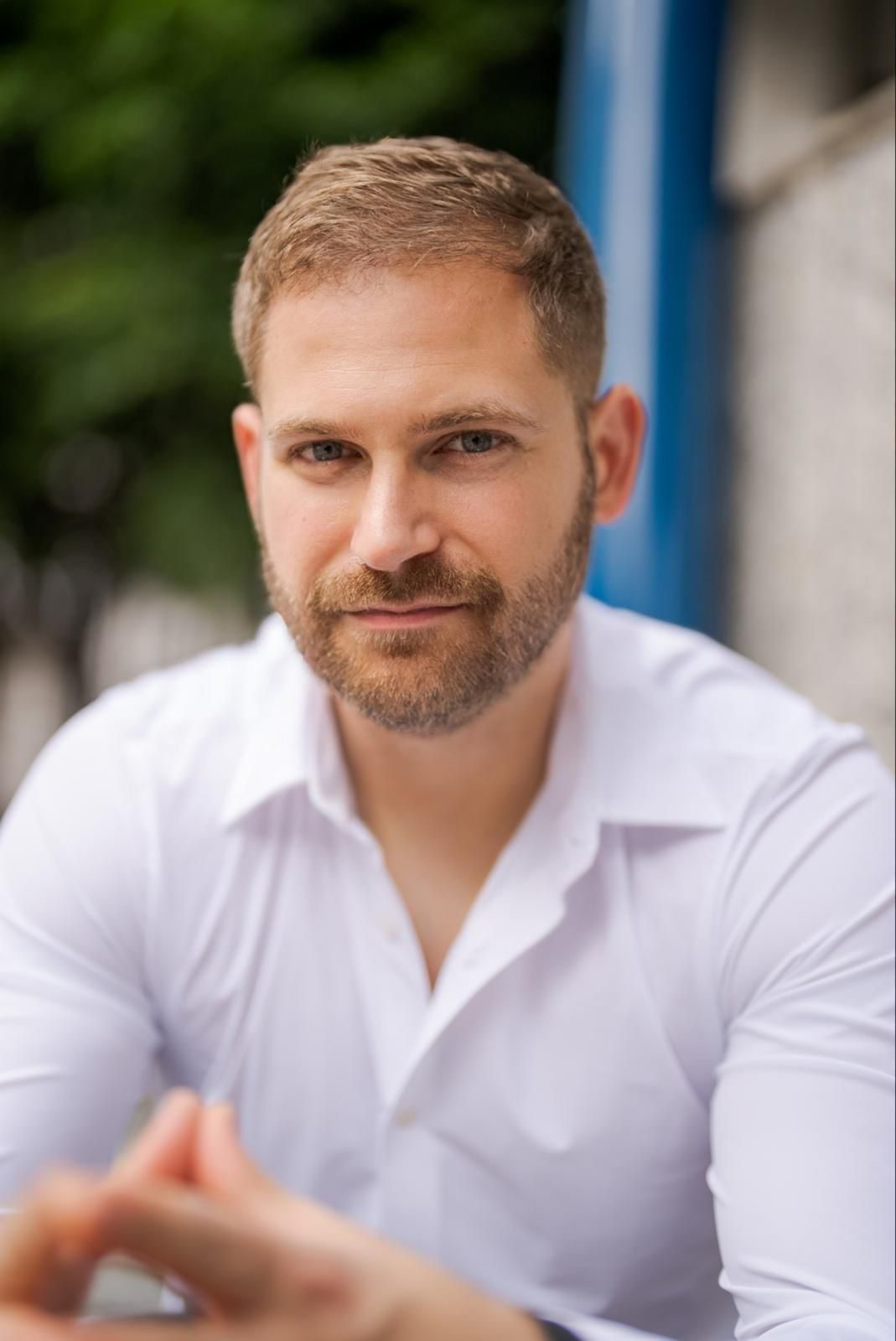
Jake Melendy
Founder, Ignitvio
Jake Melendy is the founder of Ignitvio. He spent 12 years in enterprise sales and sales leadership, including at Oracle, before building Ignitvio, which runs done-for-you outbound appointment setting for commercial contractors and B2B service companies. He writes about pipeline, trigger-based prospecting, and lead response.