Answering Service Appointment Scheduling, Same-Call Booking 24/7

An answering service appointment scheduling solution books appointments live on the call. The caller hangs up with a confirmed date, a confirmation text, and a slot written to your calendar. No callback queue. No “we’ll have someone reach out tomorrow.” That’s the difference between same-call booking and the message-taking services that get sold under the same label.
The market is full of vendors that advertise “appointment scheduling” but operate as call-and-message services with a callback step glued on. The five capabilities below are what real same-call scheduling actually requires, and what to verify before signing with any provider.
- Live two-way calendar sync so the AI sees real availability before quoting a slot
- Industry-specific intake that captures what your team actually needs to prep
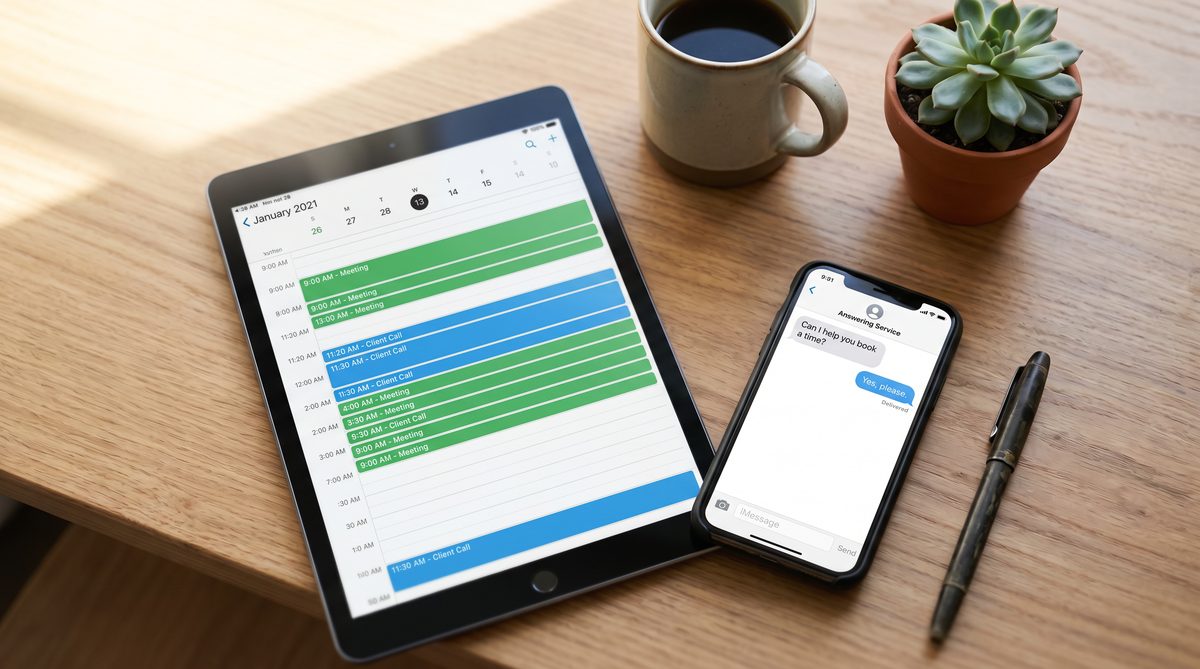
- Instant SMS confirmation the moment the booking writes
- 24/7 at full booking capability, not message-pad mode at night
- Missed-call recovery that texts the caller within 30 seconds when a call drops
How Same-Call Appointment Scheduling Actually Works
Here’s what a real scheduling call sounds like. Tuesday, 9
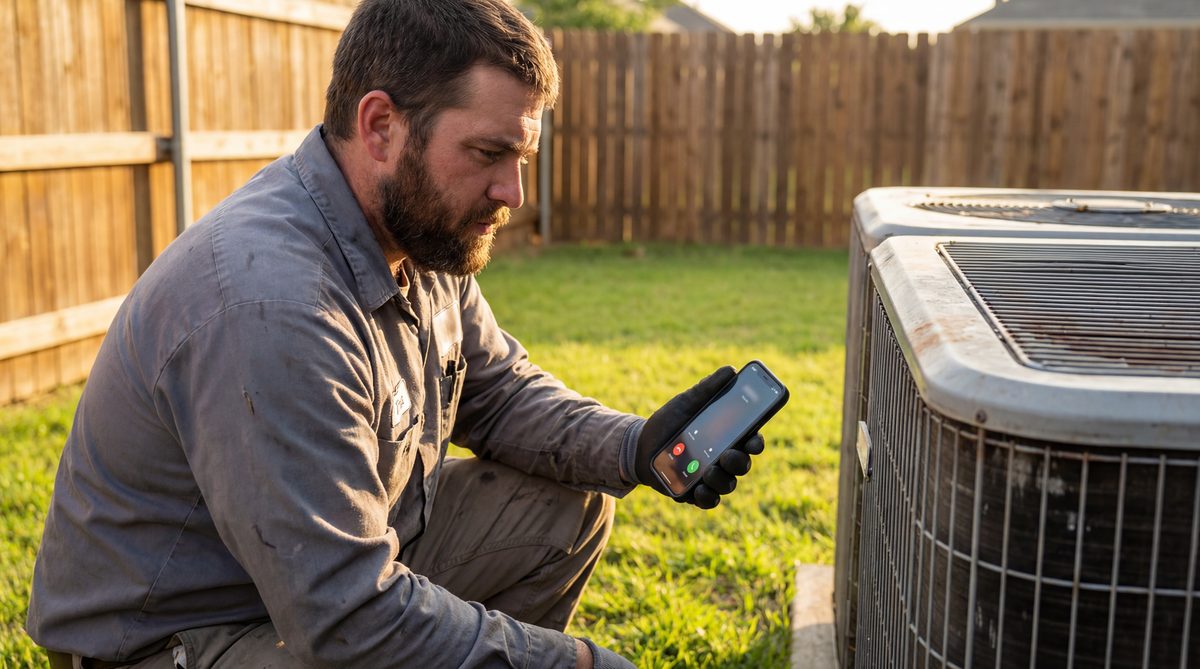
PM. A homeowner in Plano, TX, just realized their AC compressor is dead. They Google “HVAC repair near me” and dial the first listing.AI: “Thanks for calling Peak HVAC. Sounds like you’ve got an AC issue. Is the unit running and not cooling, or completely off?” Caller: “Completely off. I just got home and the house is 84 degrees.” AI: “Got it. Single story or two story?” Caller: “Two story. The outdoor unit is on the side of the house.” AI: “I have a tech who can be there tomorrow at 8 AM or 11 AM. Which works better?” Caller: “8 AM.” AI: “Confirmed. I’m texting you the appointment confirmation now. Tech name is Marcus, he’ll text 30 minutes before arrival. Anything else?”
That whole exchange takes 80 seconds. The slot is written to ServiceTitan, the confirmation text fires, and Marcus’s morning route picks up a $400 same-day repair call that the next four roofers on the SERP missed because they sent it to voicemail.
The traditional answering service version of the same call ends with a message in someone’s inbox, a callback at 8
AM, and a homeowner who already booked with someone else.The 5 Capabilities That Separate Booking From Message-Taking
1. Live, two-way calendar integration
The answering agent needs to see your schedule in real time and offer only slots that are genuinely open. Services that work from a static “available windows” sheet double-book the moment two callers want the same slot. Real scheduling requires a live connection to Google Calendar, Outlook, ServiceTitan, Jobber, Housecall Pro, Mindbody, or Acuity, and two-way sync so cancellations and same-day additions flow back to the answering system.
2. Intake that matches your appointment type
Booking an HVAC service call requires different information than booking a dental cleaning or a legal consultation. HVAC intake needs: service address, problem description, whether water or gas is involved (emergency triage), and whether the homeowner will be on-site. Legal consultation intake needs: matter type, urgency, whether opposing counsel is involved, and preferred communication channel. A generic “name, number, reason for calling” script collects too little to prepare your team and too little to know whether the caller even qualifies for the appointment type they want.
3. Confirmation pushed immediately after booking
Drift’s lead response research found that only 27% of leads are ever meaningfully contacted after the initial inquiry, because the callback process silently fails in the majority of cases. A confirmation SMS closes that loop for scheduling: the moment the appointment books, the caller gets a text with date, time, address, and prep instructions. The caller adds it to their own calendar. No-shows drop. Reschedules happen via text instead of phone tag.
4. Full booking capability after hours
Most “appointment scheduling” services operate as genuine booking services during business hours and degrade to message-taking in the evening and on weekends. That’s the leak. A significant share of inbound calls for trades, medical practices, and legal offices comes outside 9-to-5. The only reliable way to know what a service does after hours is to call the actual number real callers would use, on a weekend evening, and try to book. Not the demo line. The live number. For a service built to book on the after-hours call instead of degrading to messages, see Ignitvio’s after hours answering service.
5. Missed-call recovery via SMS
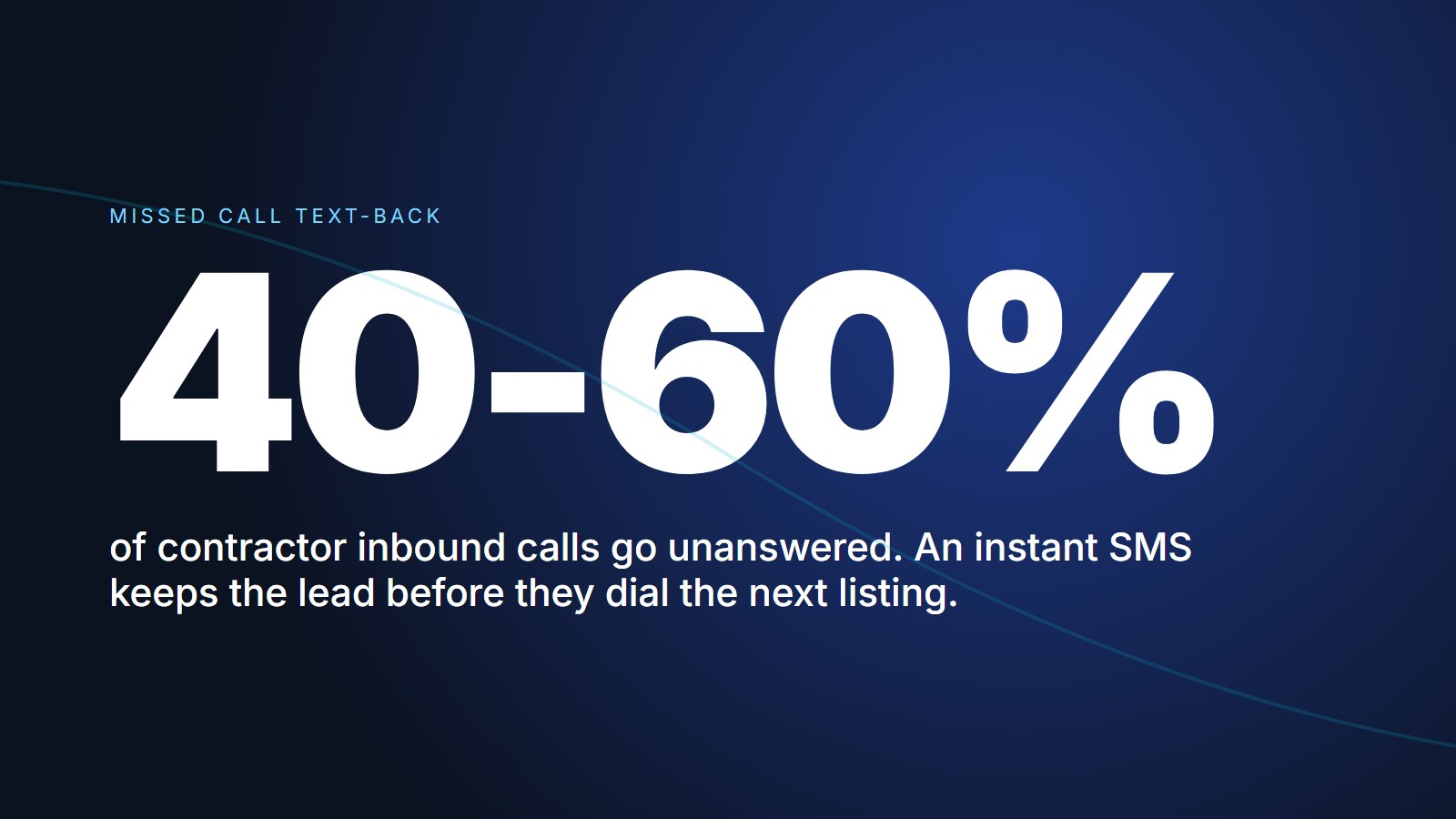
Even the best answering setup drops a call occasionally. Bad cell signal. Simultaneous surge. Network hiccup. A real scheduling service automatically texts any missed caller within 30 seconds: “Sorry we missed you, what can we help with?” and picks up the conversation via SMS. Most missed calls book this way. The text catches what the call dropped.
Increase in conversion rate when a business calls a new lead in under one minute. Same-call appointment booking is the most direct implementation of that principle, the response happens before the caller hangs up.
Source: Velocify, The Ultimate Contact Strategy studyHow Ignitvio Compares to ReceptionHQ, AnswerConnect, and AnswerForce
The three vendors most commonly cited for “appointment scheduling answering service” each operate on a different model. Here’s where each one delivers and where each one falls into message-taking mode.
| Capability | ReceptionHQ | AnswerConnect | AnswerForce | Ignitvio |
|---|---|---|---|---|
| Live calendar two-way sync | Limited (Acuity, Calendly) | Limited (Calendly, Setmore) | Limited (Calendly, Setmore) | Full (ServiceTitan, Jobber, Housecall Pro, Acuity, Calendly, Google, Outlook) |
| Industry-specific intake | Generic script | Generic script | Per-account customization (extra cost) | Built per-industry by default |
| Instant SMS confirmation | Add-on | Add-on | Included | Included |
| 24/7 at full booking | No, message mode overnight | No, message mode after 9pm | Limited overnight | Yes, same capability 24/7 |
| Missed-call SMS recovery | No | No | No | Yes, included |
| No-show recovery automation | No | No | No | Yes, automated |
| Post-appointment review request | No | No | No | Yes, automated |
| Pricing | $35-$235/mo (per-call) | $325-$575/mo (per-minute) | $279-$579/mo (per-minute) | Plans start at $495/mo (flat) |
The per-call and per-minute pricing models from the legacy operators look cheap at the bottom tier, then climb fast once weekend and after-hours minutes count differently. Flat-rate pricing only makes sense for the model that actually books appointments around the clock at the same cost.
For more on how full virtual receptionist services stack up across feature sets, see the what is a virtual receptionist breakdown. Need the platform-by-platform scorecard? Our appointment setting answering service comparison grades eight services on live booking and after-hours coverage.
Pricing and What’s Included
Ignitvio’s virtual receptionist appointment booking platform starts at $495/month and includes the full appointment scheduling stack:
- Voice AI booking, 24/7 at flat rate
- Two-way calendar sync to your existing platform
- Industry-configured intake scripts
- Instant SMS confirmation on every booking
- Two-touch reminder sequence (24 hours and 2 hours before)
- No-show recovery automation
- Missed-call text-back
- Post-appointment review request flow
- Setup, configuration, and ongoing optimization
Setup runs under a week. We configure intake scripts for your appointment types, connect to your calendar and CRM, set up confirmation and reminder templates, and build the after-hours rules for your specific business. Then it runs.
The clearest way to test value: call your current answering service from your personal phone on a Saturday night, attempt to book an appointment, and see what happens. If you hang up without a confirmation text and a calendar slot, that’s the gap.
Find out what percentage of your calls are actually booking
We'll mystery-shop your current answering setup including after-hours and weekend calls. Free. No pitch. Plans start at $495/month.
Book a Revenue AuditWhich Industries Get the Biggest Revenue Lift From Same-Call Booking
Not every service business loses equally when calls end in messages. In these four verticals, the gap between message-taking and same-call booking has the largest revenue impact.
Home services and trades
HVAC, plumbing, electrical, and roofing businesses field calls from customers who have a problem right now. The urgency is high, the booking timeline is short, and tolerance for “someone will call you back” is close to zero. Angi’s homeowner research shows 67% of homeowners cite response time as the #1 factor when choosing a contractor. Same-call booking is the most direct expression of fast response, the call ends with a confirmed appointment instead of a callback queue. See the after-hours virtual receptionist breakdown for the trades-specific deep dive.
Medical, dental, and veterinary practices
New patient acquisition via phone is high-stakes and time-sensitive. Practices that answer with live scheduling convert at dramatically higher rates than practices that collect callback information and follow up the next business day. For a caller in pain or anxious about a condition, “someone will call you back in the morning” sends them to the next provider who answers. A confirmed appointment resolves the urgency immediately.
Legal offices and professional services
Clio’s Legal Trends Report consistently identifies response speed among the top factors potential clients cite when choosing an attorney. Solo practitioners and small law firms, where the attorney handles active matters all day and fields intake calls in whatever gaps exist, are at the highest risk of message-mode losses. A scheduling service that books consultations live keeps the intake pipeline moving regardless of what’s happening in the office.
Wellness, fitness, and personal services
Salons, gyms, massage therapists, and similar businesses run almost entirely on booked sessions. A caller who can’t book live calls the next provider who answers. The session is time-limited and replaceable from the caller’s perspective. Same-call booking is table stakes in this category, which is why the shift to AI scheduling has been fastest here.
The Revenue Cost of Calls That End in Messages
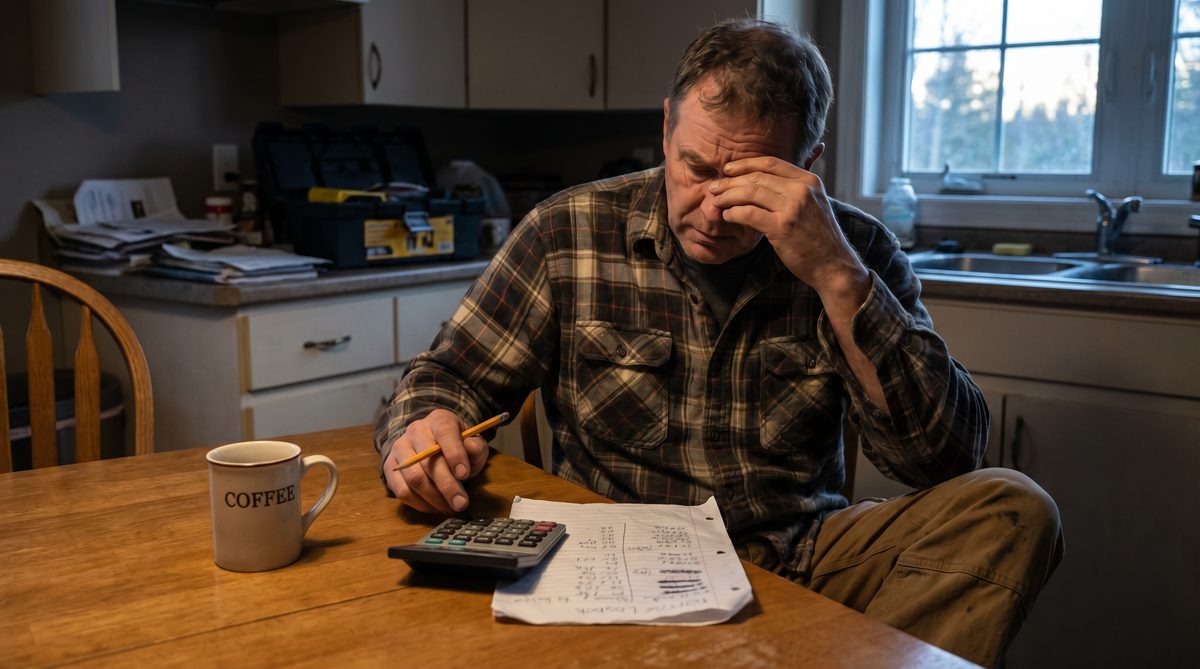
Every missed or delayed booking has a dollar value. For home services, Angi’s cost data puts average service tickets at $175-$450 for plumbing, $150-$450 for HVAC service calls, and $150-$500 for electrical. Replacement and larger repair work runs far higher. HVAC system replacements average $5,000-$10,000, with high-efficiency systems pushing $15,000+.
A trades business getting 40 inbound calls per month through a message-taking answering service is leaving a significant portion of that revenue on the table. Not from a marketing failure. From a scheduling handoff failure. The call was answered. The caller just didn’t get an appointment.
The math compounds in medical and dental. A new patient who calls and doesn’t get a confirmed appointment is statistically unlikely to call back. New patient inquiries that go to callback queues convert at a fraction of the rate of same-call bookings. For a dental practice where a new patient represents $1,200-$2,400 in first-year value and multiples of that over a lifetime of care, that conversion gap is a patient pipeline with a slow leak. For practices weighing a vertical-specific option, our best medical office answering service breakdown covers HIPAA-aware intake and same-call booking into the major EHRs.
Per HubSpot’s Sales Statistics research, 44% of sales reps and service staff give up after just one follow-up attempt. For businesses relying on an owner or part-time office manager to return calls from the previous evening, the abandonment rate is often higher. The voicemail from Monday night gets buried under Tuesday’s work, and the lead is gone by Wednesday.
A real dental practice in Phoenix illustrated this. After three years with a traditional answering service handling evenings and weekends, a conversion audit found their team was reaching back out to fewer than 40% of weekend callers, usually 24 to 48 hours after the initial contact. The other 60% had either booked elsewhere or gone cold. The answering service was answering calls. Nothing was booked.
How Ignitvio’s Appointment Scheduling Compares to Message-Taking Services
- Service takes messages, actual booking requires staff callbacks that often don't happen
- After-hours callers get a message pad or voicemail, not a confirmed appointment
- Calendar bookings transcribed manually from message logs, double-booking risk is constant
- No-shows go unrecovered, rebooking depends on staff following up the next day
- Appointment reminders sent manually when remembered, or not at all
- Post-appointment review request never happens systematically
- Pricing escalates fast with per-call or per-minute models, especially after-hours
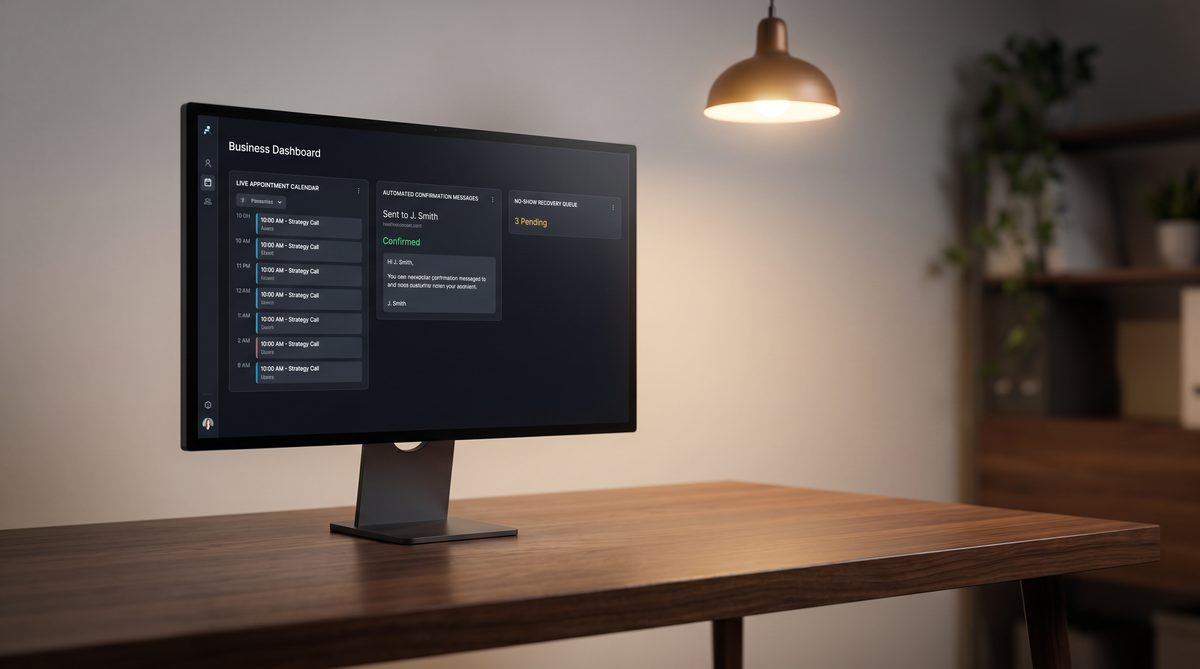
- Every call ends with a confirmed appointment booked in real time before the caller hangs up
- 24/7 booking at full capability, no after-hours degradation, flat rate
- Appointments write directly to ServiceTitan, Jobber, or your calendar platform in real time
- No-show recovery fires automatically and rebooks appointments within 30 minutes
- Two-touch reminders at 24h and 2h before every appointment, automated
- Every completed appointment triggers a Google review request automatically
- Flat monthly pricing covers nights, weekends, and surge volume at the same rate
The businesses that see the fastest ROI from this setup are those that already had a functioning answering service but discovered through a conversion audit that “answered calls” and “booked appointments” were very different numbers. Switching from message-taking to same-call booking typically doubles appointment conversion rate without increasing marketing spend. The phone bill stays the same. The booked percentage changes.
Frequently Asked Questions
Can a traditional answering service really book appointments, or just take messages?
What's the difference between appointment setting and appointment scheduling?
Will an AI answering service actually book the appointment, or just hand off to a human?
What happens if the calendar is full when someone calls?
How does the AI know what intake questions to ask for my specific business?
Does same-call booking actually reduce no-shows?
What about HIPAA? Healthcare practices need to be careful here.
Stop Letting Calls End in Messages Instead of Appointments
See what your real call-to-booking conversion rate is right now
We mystery-shop your current setup, including after-hours and weekend calls, and show you exactly what's booking vs. going to a callback queue. Free. No pitch. Plans start at $495/month.
Book a Revenue Audit
Jake Melendy
Founder, Ignitvio
Jake has helped hundreds of home service businesses automate their lead response, recovering an average of $4,200/month in missed-call revenue per client. Before founding Ignitvio, he spent years working directly with contractors on growth strategy. He writes about strategies that actually move the needle for service businesses, based on real data and real results.