24 Hour Virtual Receptionist: After-Hours Coverage That Books Jobs
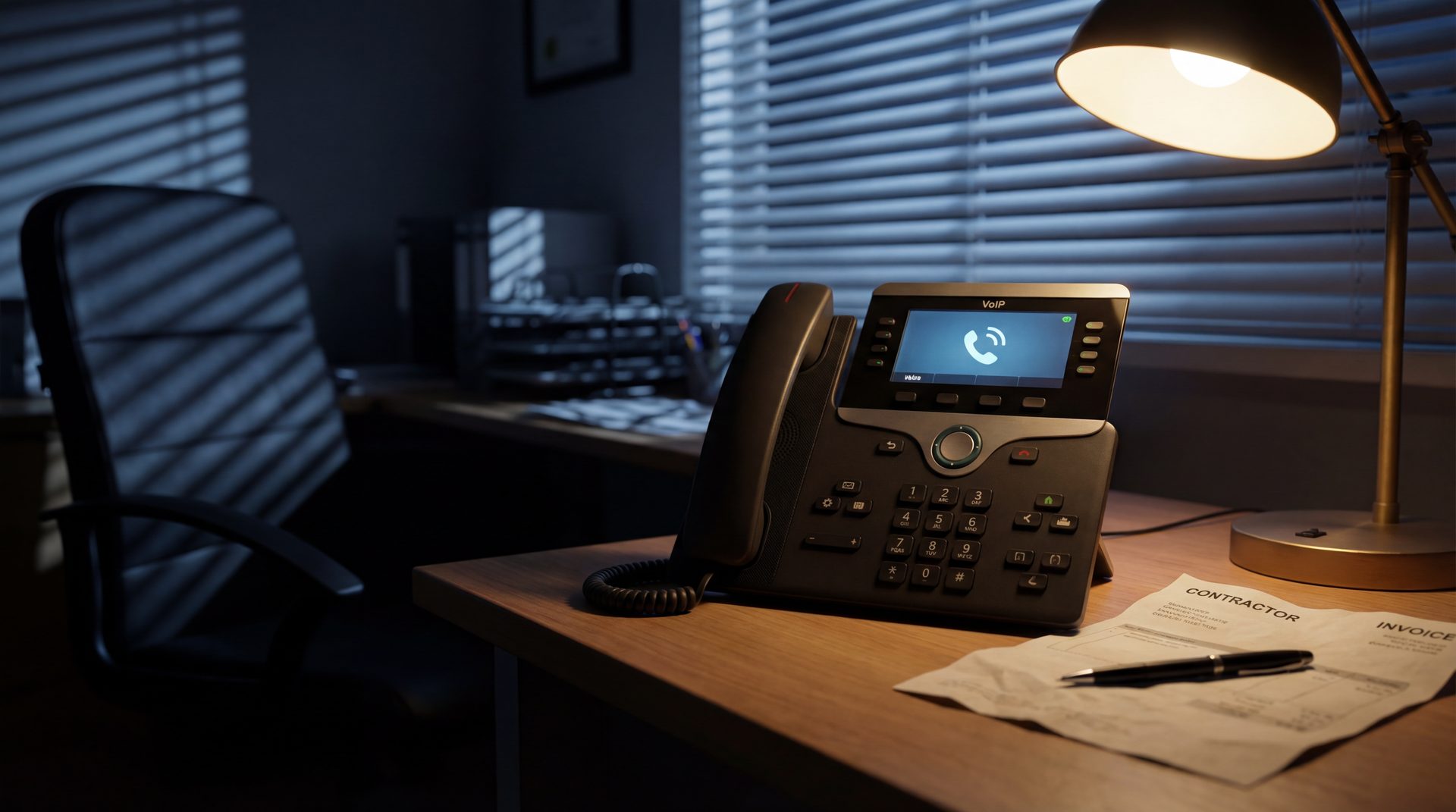
If your phone goes unanswered after 5 PM, your competitor’s phone just rang.
78% of customers buy from the first business that responds (Lead Connect). That after-hours call didn’t disappear when it hit your voicemail. It dialed someone else 12 seconds later.
An after hours virtual receptionist answers every call within 2-3 seconds, qualifies the caller, and books the appointment into your calendar before they hang up. 9 PM on a Tuesday. 2 AM on a Saturday. Doesn’t matter.
This post breaks down how after hours answering services actually work, the gap between AI-powered options and traditional message-taking call centers, three real after-hours scenarios that decide whether you win or lose the job, and what to look for before you sign up.
Already sold on the concept and want pricing and setup? Jump straight to Ignitvio’s after hours answering service overview. If you are still weighing options, read on.
- 14.1% of inbound calls to residential HVAC shops arrived outside business hours at the June 2025 peak (ServiceTitan State of the Trades). An after hours answering service captures every one of them.
- AI answering services respond instantly and book directly to your calendar. Traditional services take messages and require a callback.
- Leads contacted within 5 minutes are 21x more likely to convert (HBR / MIT study). Every hour of delay costs real revenue.
- HVAC, plumbing, roofing, and other trades benefit most. Demand spikes happen at all hours. Callers shop multiple providers at the same time.
What Actually Counts as an After Hours Virtual Receptionist
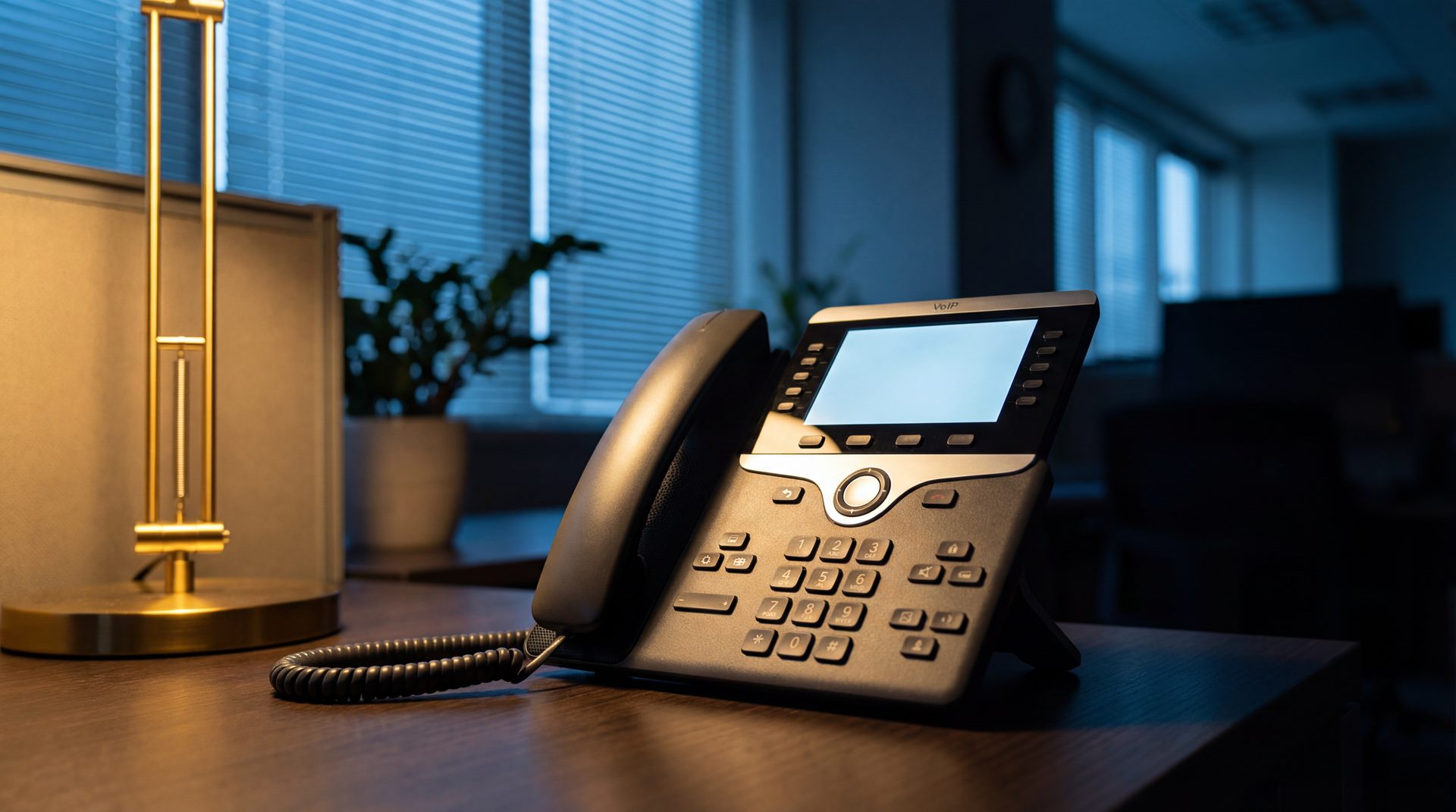
An after hours virtual receptionist is a system that answers your calls when your team isn’t available. Greets callers in a professional voice. Gathers the info you need (name, address, type of service). Either books the appointment or routes urgent calls based on rules you set.
The term covers two very different approaches.
Traditional live virtual receptionists are humans at a call center. Often offshore or in a shared-staff model. They answer in your business name, take messages, or transfer calls.
AI-powered after hours virtual receptionists use voice AI to handle the same functions automatically. Any hour. No per-minute fees. No hold times.
Both beat voicemail. The difference is what happens after the call.
A live agent takes a message. You call the lead back in the morning. By then, they’ve already booked with a competitor. An AI receptionist verifies availability and drops the appointment directly onto your calendar while the caller is still on the phone.
For service businesses, that distinction is huge. Contractors miss an estimated 40 to 60 percent of inbound calls (industry estimate). Most of those calls don’t get converted by a callback the next morning. They get converted by whoever answered first.
A 24 hour virtual receptionist is a remote system, human or AI, that answers your business line every hour of every day, including overnight, weekends, and holidays. It replaces the salaried front desk you cannot justify for a 2 AM call and the voicemail box that quietly costs you the call. The phrase “24 hour” is the operative part. A service that only runs 8 AM to 8 PM is an extended-hours answering service, not 24/7 coverage.
The businesses that actually need round-the-clock coverage tend to be the ones where the call itself is the emergency: HVAC and plumbing contractors fielding no-heat and burst-pipe calls, roofers after a storm, dental and medical practices handling urgent intake, property management taking lockout and water-leak calls (see our breakdown of a property management answering service for the NOI math), and law firms with personal injury or criminal defense intake that cannot wait until morning.
The technology split matters. Human virtual receptionists (Ruby, AnswerConnect, ReceptionHQ, Nexa) staff shifts of trained agents and bill per minute, usually with surcharges for nights and weekends. AI receptionists run on voice models that answer instantly, handle unlimited concurrent calls, send SMS confirmations, and book directly into Google Calendar or your CRM. A solid 24/7 setup also handles bilingual callers, records and transcribes calls for review, and respects HIPAA when the business requires it. Pricing on the human side typically runs per-minute with overage exposure on the hours that matter most. AI plans, including Ignitvio’s, bill at flat monthly rates so the 2 AM call costs the same as the 2 PM one.
of inbound calls to residential HVAC shops arrived outside business hours in June 2025, the seasonal peak. Without an after hours virtual receptionist, every one of those goes straight to voicemail, or to your competitors.
Source: ServiceTitan State of the TradesThe After-Hours Call That Pays for the Whole Year

Let’s do the quick math.
If your average job is worth $500 and you miss five calls a week after hours, that’s $2,500 a week in opportunity at a 100% close rate. Even at a conservative 20% close rate, and even accounting for callbacks the next morning, you’re walking away from hundreds of dollars in booked revenue every week.
Speed is the real multiplier.
Research from HBR and an MIT study on lead response found that leads contacted within 5 minutes are 21 times more likely to convert than leads contacted an hour later. When your phone goes unanswered at 8 PM and you return the call at 8 AM, you’re not just 12 hours late. You’re working against a qualification window that closed hours ago.
An after hours virtual receptionist kills that gap entirely. The caller gets greeted within two to three seconds. Their job details are captured. If your calendar allows it, the appointment is booked before they hang up. You wake up to booked jobs instead of voicemails.
There’s also the trust factor. According to BrightLocal, 93% of consumers read online reviews before buying. But the decision to read your reviews starts with whether you answered the phone.
A caller who hits voicemail usually doesn’t leave a message. They move on, call the next result, and if that company answers, the sale is done.
No amount of five-star reviews recovers a lead that couldn’t get through.
Compare the cost of an AI after hours service (typically $200 to $500 a month depending on call volume and features) to the revenue from just one recovered job per week. It’s not even close. See how Ignitvio pricing stacks up against what you’re currently losing.
How AI Handles Your Phone Better Than Most Humans
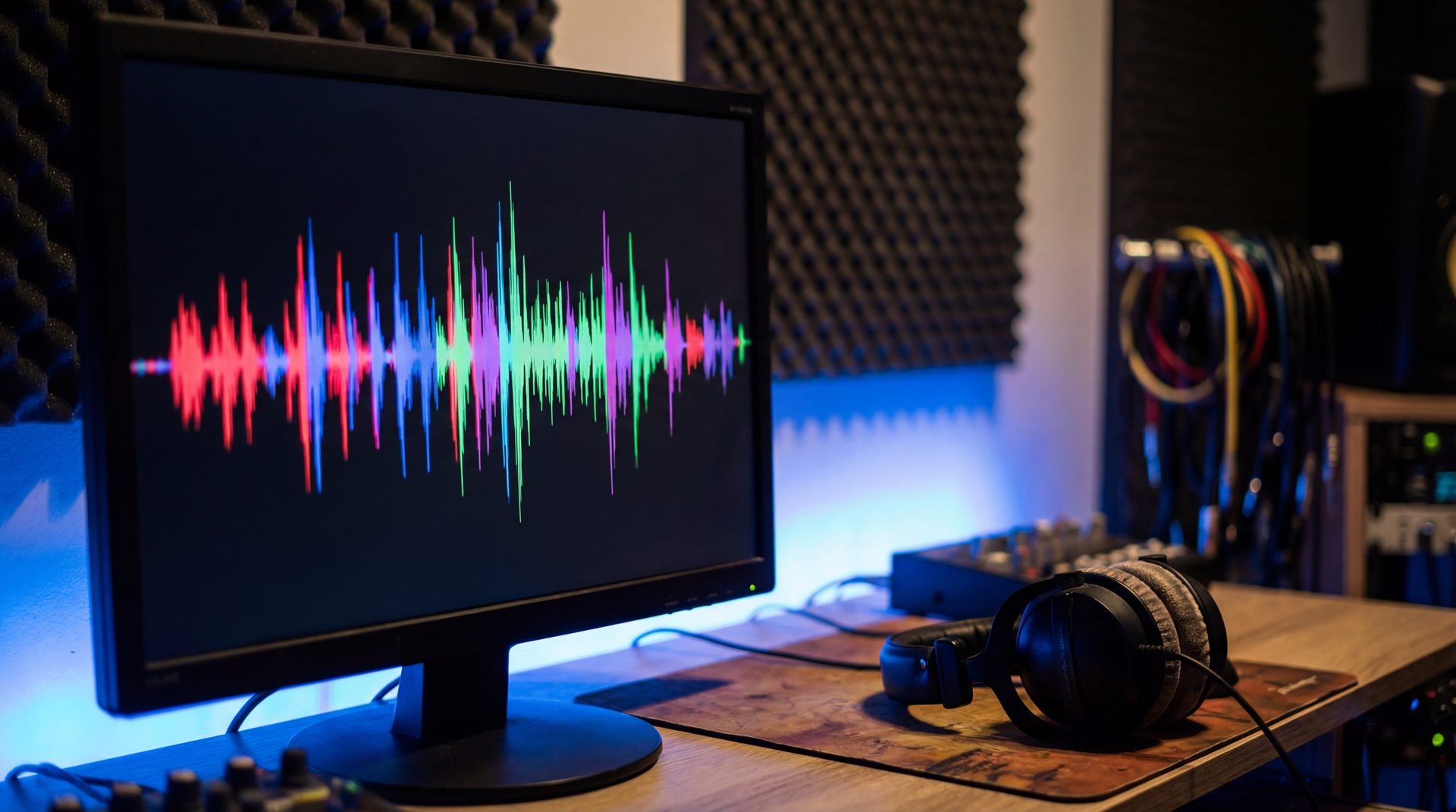
A modern AI-powered after hours virtual receptionist does way more than play a recorded message. It runs on voice AI trained to carry on a real two-way conversation. The caller hears a natural-sounding voice, not a robotic menu. They speak freely. The system understands context, not just keywords.
Here’s what happens when a call comes in after hours:
- Call answered immediately. No rings. No voicemail prompt. No hold music. The AI greets the caller with your business name within seconds.
- Qualification. The AI asks for the caller’s name, location, and a description of what they need. It listens to freeform speech. The caller doesn’t have to follow a menu.
- Rule-based routing. You set the escalation rules ahead of time, including the phrases that should trigger an immediate alert (for example, “burst pipe,” “no heat,” “flooded basement”). When a call matches one of those phrases, the AI notifies you via SMS or transfers to your on-call line. Every other call proceeds to booking. The AI does not decide what counts as urgent. It executes the routing rules you defined.
- Appointment booking. The AI checks your real-time calendar availability and offers the caller time slots. The appointment gets confirmed and added to your schedule automatically.
- Summary delivered. After the call, you get a full transcript and summary so you know exactly what was booked and why before you walk in the next morning.
This is a completely different experience from voicemail or a message-taking service.
The caller gets a resolution on the call. They don’t sit there wondering if anyone will call them back. You get a booked appointment instead of a cold lead.
That’s the whole point.
You can see how Ignitvio’s voice AI handles this in practice on the Voice AI product page. The system also integrates with missed call text back so any call that doesn’t connect still triggers an immediate follow-up via SMS.
Find out how many after-hours calls you're missing
We'll show you exactly how many calls go unanswered and what that's costing you in booked revenue. Free. Takes about 10 minutes.
Get Your Free Revenue AuditWhy Message-Taking Services Are Actually Hurting You
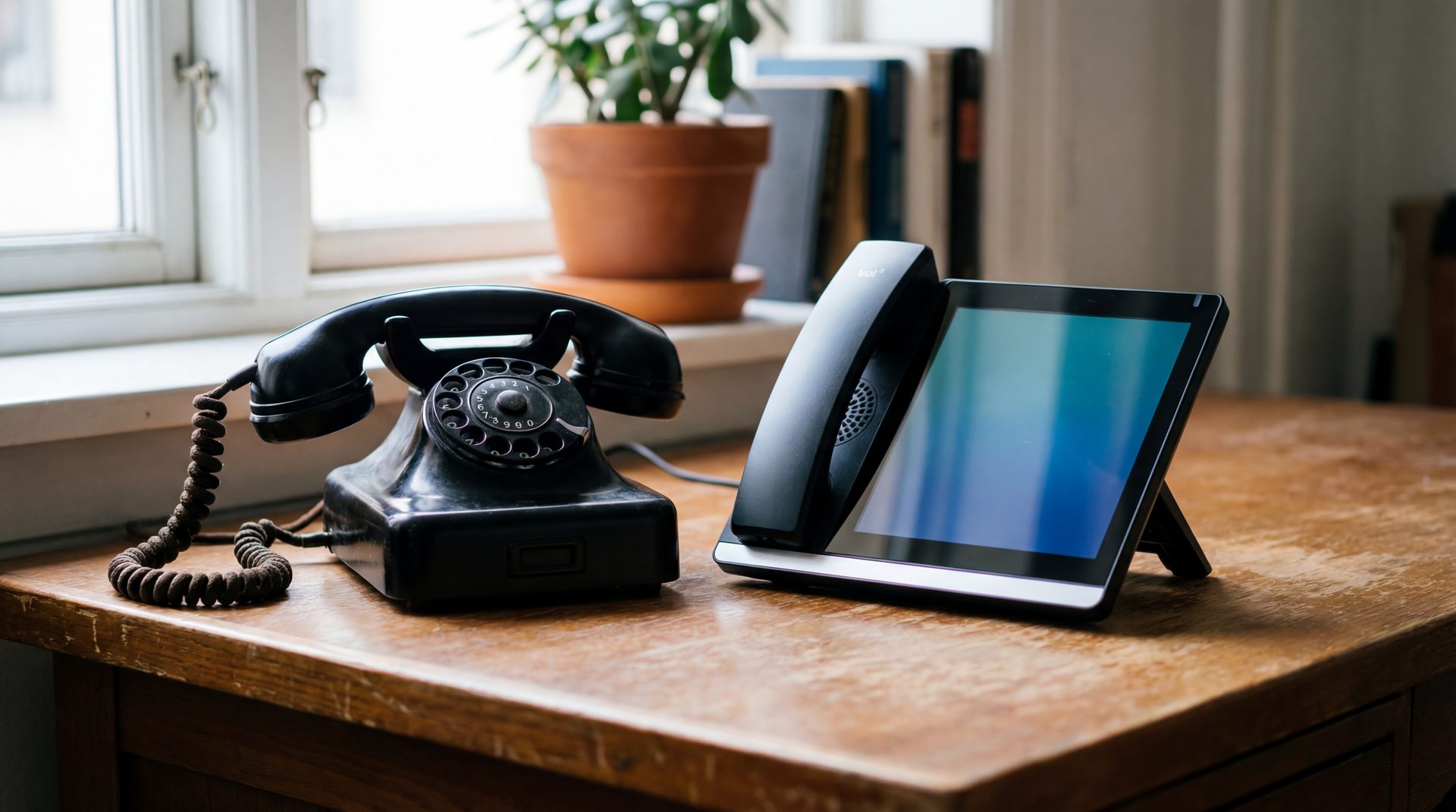
Traditional answering services have been around for decades. You forward your calls to a shared call center. Someone answers in your business name. Takes a message. Sends it to you.
It works. Sort of.
Here’s the fundamental problem with a message-taking service: the work isn’t finished when the call ends. Someone still has to call the lead back. That follow-up call might happen the next morning. Might get missed entirely. Often comes after the lead has already moved on.
You paid for the service but didn’t capture the revenue.
You basically lit that money on fire.
AI-powered after hours virtual receptionists close the loop on the call itself. Here’s where the two approaches actually differ:
- After-hours only; variable availability
- Variable response time; can have hold queues
- Takes message; you call back
- Per-minute billing; adds up fast
- Language support depends on agent availability
- 24/7/365, no gaps
- Instant response (2-3 seconds)
- Books to calendar on the call
- Flat monthly fee
- Multilingual (varies by platform)
The distinction that matters most for service businesses? Booking.
When a traditional service takes a message, the sale isn’t done. The caller is still in shopping mode. When an AI receptionist books the appointment, the sale is effectively closed.
That’s the difference between a lead and a booked job.
For a deeper look at how AI answering compares across different scenarios, read the Complete Guide to AI Answering Services for Small Businesses.
Three After-Hours Calls That Decide Your Year
Abstract numbers don’t move operators. Specific scenarios do. Here are three after-hours calls that show up in service businesses every week. Each one either becomes a booked job or a lost competitor win, decided in the first 30 seconds.
A homeowner’s furnace dies at 11
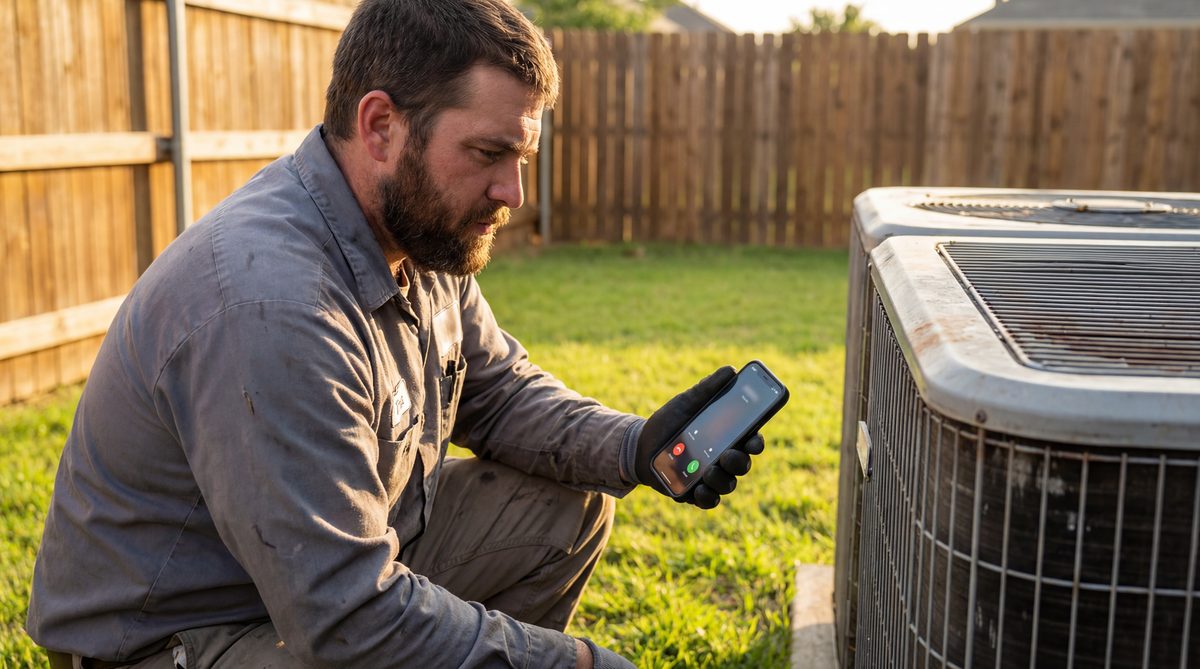
PM. Bedroom is already at 58° and dropping. They open Google, search “HVAC emergency near me,” and start dialing the top 5 results from the top down.The first three go to voicemail. The fourth picks up on the second ring. The homeowner gets a quote, gets booked for a 7 AM service call, and stops calling.
What that call is worth: an emergency overnight diagnostic ($200-400), plus the high probability of a same-week replacement quote ($6K-$15K depending on system). The first answerer gets all of it. The other four get nothing.
Your AI receptionist answers at 11:47
PM. Confirms address, asks if anyone needs to evacuate due to cold, books a 7 AM diagnostic, sends you the SMS summary. You sleep. You walk into a booked emergency the next morning.A homeowner walks into their basement to grab the lawn mower and discovers two inches of water from a burst pipe. They start calling plumbers. It’s Saturday evening, so most are closed.
The first plumber who answers gets the call, but they’re 90 minutes away and quote $850 just for the after-hours emergency visit. The homeowner says “let me think about it” and keeps calling.
Your AI receptionist answers within 3 seconds. Confirms the address (you serve this area). Confirms severity (active flooding). Gives a clear quote range ($350-650 emergency visit, depending on parts). Books a 9 PM arrival. The homeowner shuts off the main water valve and waits, knowing someone’s coming.
That call wasn’t won by being the cheapest. It was won by being the first to answer with a calm process. The next four plumbers who answer get told “no thanks, we already booked someone.”
The pattern across all three: the answering service didn’t sell harder. It just answered first and acted like a competent human. After-hours calls are won by presence, not pitch.
What Separates a Good One From a Waste of Money

Not all virtual receptionist services are built the same. Before you pick one, here are the factors that actually determine whether you capture more revenue or just add another subscription to your overhead.
Live booking capability
This is the big one. If the system can only take a message and trigger a callback, you’re still playing catch-up. Look for a service that integrates directly with your scheduling system so the appointment gets booked during the call. Our appointment setting answering service guide scores 8 platforms on exactly this capability.
Natural conversation quality
Your callers are homeowners who need help. Not tech enthusiasts. If the AI sounds robotic, stumbles on unusual questions, or loses context mid-conversation, they’ll hang up. Test the demo call before you commit. It should sound natural enough that callers don’t realize they’re talking to an AI unless you tell them.
Emergency escalation logic
After-hours calls often include real emergencies. Your system needs to tell the difference between someone calling to book a non-urgent estimate and someone calling because water’s actively flooding their basement. Look for configurable escalation rules that can text or call you immediately for emergency-tier situations. The rules should be defined by you in writing, not invented on the fly by the AI. If you want the exact sequence for standing this up, walk through the 7-step setup checklist before you commit to a vendor.
Call transcripts and summaries
You should be able to read exactly what was said on every after-hours call. This protects you from liability, helps you spot patterns in what callers ask, and makes hand-off to your team seamless the next morning.
Integration with your CRM and calendar
A standalone after hours solution that requires manual data entry defeats the purpose. The best systems push call data directly into your CRM or field service software and sync appointments to your calendar in real time.
Flat-rate pricing
Per-minute pricing from traditional answering services adds unpredictability to your costs and can get expensive fast during busy seasons. AI-based services typically offer flat monthly pricing. Budgeting is dead simple. Compare options on the Ignitvio pricing page.
How Ignitvio Handles After-Hours Calls
Ignitvio’s Voice AI is built specifically for service businesses. It answers every call in two to three seconds. Qualifies the caller in natural language. Books the appointment to your calendar. Sends you a transcript and job summary the moment the call ends.
No message-taking. No callback required on your end. No per-minute billing.
The system runs 24/7 by default. You decide which calls get escalated to you immediately (true emergencies) and which get booked directly. It integrates with the most common field service and CRM platforms contractors actually use. Most clients are live in under a week.
Beyond after-hours call handling, the platform connects to missed call text back so any call that doesn’t connect immediately triggers an SMS follow-up. Leads contacted within 5 minutes are 21 times more likely to convert (HBR / MIT study). The text back feature makes that happen automatically even when the AI misses a connection.
Want to see what Ignitvio would look like for your business? Start with a free revenue audit. We’ll show you how many calls you’re likely missing and what it’s costing you in booked revenue.
Stop Losing Jobs After Hours
14.1% of inbound calls to residential HVAC shops arrive after hours at the June peak (ServiceTitan). Find out exactly how many you are missing and what it costs you. No commitment required.
Get Your Free Revenue AuditFrequently Asked Questions
What is an after hours answering service?
How much does an after hours answering service cost?
Can an AI answering service actually book appointments?
Are after hours answering services worth it for small businesses?
What's the difference between an answering service and a virtual receptionist?

Jake Melendy
Founder, Ignitvio
Jake Melendy is the founder of Ignitvio. He spent 12 years in enterprise sales and sales leadership, including at Oracle, before building Ignitvio, which runs done-for-you outbound appointment setting for commercial contractors and B2B service companies. He writes about pipeline, trigger-based prospecting, and lead response.