
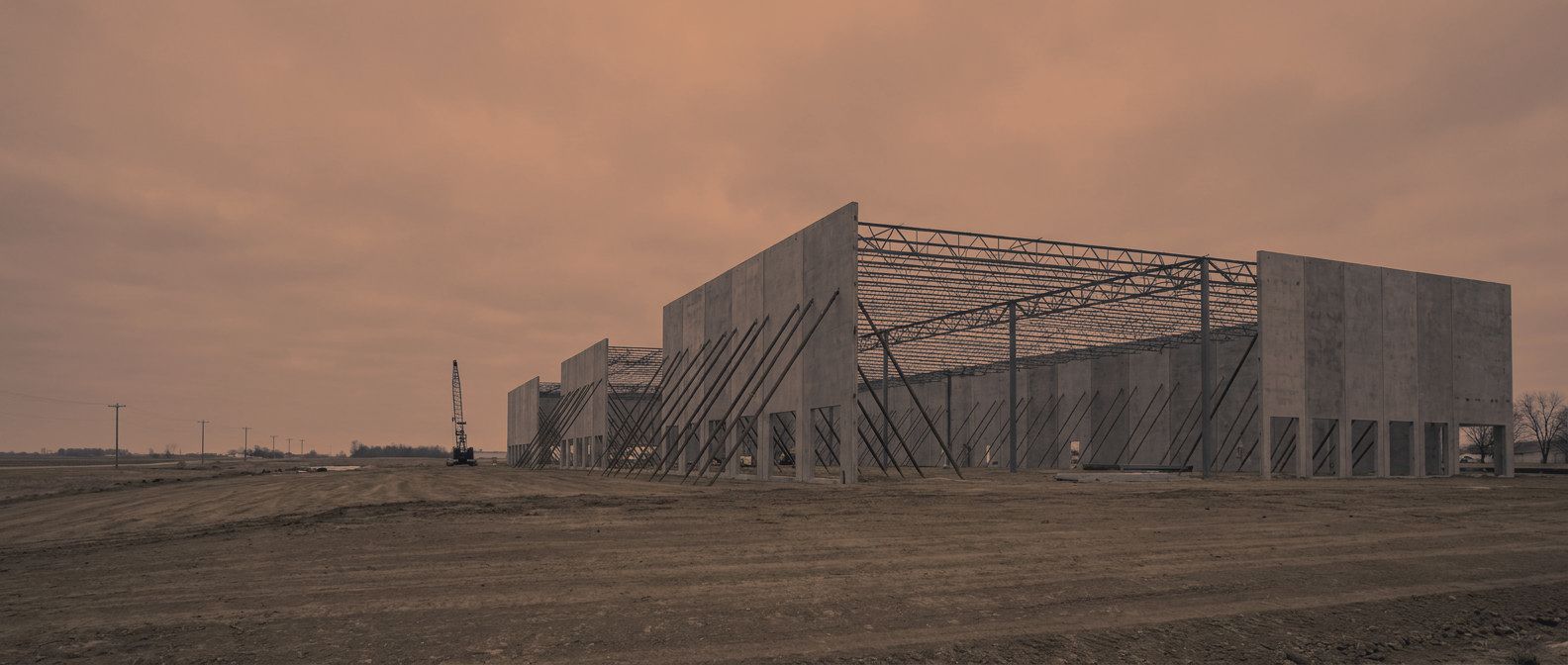
One install window
District and municipal projects compress into the same ten summer weeks. Crews run overtime in July and sit in January, and the revenue chart looks like a heartbeat with one pulse a year.
Security & Low Voltage · Done-for-You Outbound
Qualified meetings with the buildings that need your systems
Cameras, access control, intrusion detection, structured cabling, wireless access points, AV. If you design and install commercial systems, we fill your calendar with the buildings that buy them: a dedicated human caller plus cold email plus LinkedIn, armed with trigger data from your market. Every meeting is qualified against criteria we agree on, and you approve it before it counts. The minimum is in writing.
Signals
This Week · Security & Low Voltage
Fire-alarm inspection cycle · 6-building medical campus
Facility director verified · caller assigned
Access panel end of life · senior-living operator
Regional facilities manager verified · sequence live
Facility director · medical campus walkthrough
Qualified · approved by you before it counts
The Problem
School and municipal work stacks the whole year into one window. June through August you turn projects away because every district wants cameras, access control, and cabling installed before the buildings fill back up. Then the POs stop, and fall through spring you run a skeleton crew and chase whatever bids surface.
A calendar that lives on summer break is a payroll decision waiting for October.
And the bid work that fills the gaps carries its own tax. On plenty of RFPs, they already know who they're going to go with before the bid goes out. You burn estimating hours to be a column on somebody's spreadsheet.
District and municipal projects compress into the same ten summer weeks. Crews run overtime in July and sit in January, and the revenue chart looks like a heartbeat with one pulse a year.
Public work arrives through RFPs where an incumbent often has the inside track, and new-construction sub work arrives when a GC decides it does. Someone else owns the relationship in both cases.
Carrying good techs through the quiet months gets expensive, and letting them go means rehiring and retraining in May. Steady shops keep steady crews, and steady comes from year-round accounts.
The Fix
Offices, medical facilities, senior living, franchise groups, and property managers buy systems and service twelve months a year, on schedules driven by code cycles, equipment age, and building events. None of it follows the school calendar. Reaching those buyers takes direct outreach, because facility directors rarely fill out lead forms.
Bid-Dependent Work
Direct Retrofit Accounts (This Page)
New-construction sub work still has a place in a healthy book. In this program it is the exception. The focus is direct-to-building retrofit, where the relationship and the recurring revenue belong to you.
Trigger Data
Fire-alarm inspections are code-mandated annually, which puts a recurring, knowable trigger on almost every commercial building in your territory. Layer in equipment age and building events, and outreach stops being cold. Every conversation opens with a reason the building already has.
Code requires annual inspection, so the due date is dateable and it recurs on nearly every building. A campus with an inspection coming up is a warm door for every other system you install.
Aging analog fleets fail one camera at a time until someone budgets the migration. Buildings still running analog are a mapped, finite list in your market, and each one is a full-system conversation.
Manufacturers publish end-of-life dates, and a panel that can no longer be patched or supported forces a decision. Operators with EOL hardware need a vendor before the deadline, and they know it.
New ownership reassesses every vendor and every system in the first year. A recorded sale is a public, dateable signal that the incumbent's grip on the account just loosened.
A franchise or operator approved for a new site needs cameras, access control, and cabling before opening day. Zoning approvals surface those projects months before a GC picks subs.
A new facility director inherits systems they didn't choose, and monitoring contracts come up for renewal on knowable dates. Both are windows where a better vendor gets a fair hearing.
How It Works
Trigger-based outbound, run entirely for you. Here's the machine.
Inspection cycles, aging analog fleets, panel end-of-life dates, building sales, zoning approvals, leadership changes, contract renewal windows. Every prospect ties back to a specific building and a signal you can see in your feed.
Depending on the account, that's a facility director, a property manager, an IT lead, an operations executive, or corporate risk. We map the buying structure and verify the contact before any outreach goes out, and you approve the list.
One caller is assigned to your account, learns your systems and your territory, and makes every dial personally. Cold email and LinkedIn run alongside from separate, domain-safe sending infrastructure, so your primary domain never touches cold volume.
Every meeting is qualified against criteria we agree on up front, and you approve it before it counts toward your written minimum. It lands on your calendar with the building, the trigger, and the buyer already documented.
Inside the Program
Every client gets a live view of the buying signals we're acting on and the meetings coming out the other side. Triggers on the left. Booked meetings on the right. Sample data below.
Buying Signals This Week
Facility director verified · caller assigned
Operations director verified · touch 1 scheduled
Regional facilities manager verified · sequence live
Franchise operations lead verified · watching build-out timeline
Meetings Booked
Inspection cycle plus camera walkthrough
Access control refresh across three buildings
Cameras, access, and cabling before opening day
Land and Expand
The first job is a doorway. Once your techs are trusted on site, every other system in the building routes to you before anyone opens a bid list. That compounding is what makes a single qualified meeting worth far more than one install.
Land
Win the walkthrough on the trigger: an inspection due, an analog fleet, a panel at end of life. Deliver one clean install and you're the vendor whose number is on the wall.
Expand
The same building has doors, alarms, and a wiring closet. As budgets open, the trusted vendor on site gets the next system without a competitive bid.
Compound
New suites, new sites, and renovations route to you first, and monitoring revenue stacks underneath it all, month after month, in every season.
The goal on every account is simple: become their go-to for anything low voltage in the building, instead of one of five bids on a spreadsheet.
What You Get
You run crews and installs. We run the pipeline. Here's what's inside the program.
Inspection cycles, aging systems, panel EOL dates, building sales, and zoning approvals swept across your territory. Every prospect ties back to a signal you can see.
Facility directors, property managers, IT leads, operations, corporate risk. We identify the actual owner of the decision per account, verify every contact, and you approve the list.
One caller assigned to your account who learns your systems, your territory, and your voice. A person makes every dial. We never route your market through a call center, and AI never places calls.
Cold email and LinkedIn run alongside the calls, from separate sending domains we register, warm, and monitor. Your primary domain never touches cold volume.
We work every reply, qualify against the criteria we agreed on, and chase the maybes. You approve each meeting before it counts, so only real opportunities reach your calendar.
Meetings land on your calendar with context notes, and a weekly report shows triggers found, dials, sends, replies, and meetings against your written minimum.
The Guarantee
You've heard the pitch from agencies that chew up six months and a five-figure retainer, then hand you a report instead of a pipeline. Our agreement closes that door. Before we start, we agree on a qualified-meeting minimum for your territory and put it in writing. Miss it, and we keep working at no charge until you hit it.
If we don't hit your minimum, we work free until we do.
Bottom line: we will never guarantee revenue, closed contracts, or ROI. Your close rate belongs to you, and any agency promising signed contracts is guessing with your money. We guarantee the thing we control: qualified meetings you approved.
Three checks. All three must pass for a meeting to count toward your minimum.
The person who actually owns the decision for that account, whether that's facilities, IT, operations, or corporate risk, matched to the ICP we define with you.
Building type, system scope, and location match the work you told us you want. Single-door retail units stay off your calendar if you chase campuses and portfolios.
You've seen setters book people who told the guy they weren't really interested. Those bookings never count here. The prospect knows why the meeting is happening, and you approve it first.
The Math
Let's run the numbers. A healthy trigger-based program at typical volumes produces 8 to 15 qualified meetings a month once fully ramped. A contractor closing 20 to 30% of genuinely qualified meetings signs 2 to 4 new commercial accounts from that flow.
Now price an account the way this trade actually earns: the install today, the next system next year, and monitoring revenue every month in between. A retrofit account you land in November pays crews in January, which is exactly the month the school calendar leaves empty.
Qualified meetings per month a healthy program produces at typical volumes
A typical close range on genuinely qualified commercial meetings
New commercial accounts a month that flow implies at those close rates
These figures describe what a good program looks like. They are illustrative. The number we put in writing is your qualified-meeting minimum, and that is the only number we promise.
Who We Run This For
This program fits commercial and institutional security and low voltage contractors above $3M in annual revenue. The same trigger-based system runs for other commercial trades. Pick your lane.
Frequently Asked Questions
The questions owners ask before they book a fit call.
Three checks, all agreed before we start. First, the right decision-maker: the person who actually owns the security and low voltage decision for that account, matched to the ICP we define with you. Second, fit: building type, system scope, and location match your service area and account profile. Third, genuine agreement plus your approval: the prospect knows who you are and why the meeting is happening, and you approve the meeting before it counts toward your written minimum. If any check fails, it does not count.
Yes, and that ambiguity is exactly why we map the buying structure per account. A standalone medical office usually buys through the practice administrator or facility manager. A logistics park routes through operations. A franchise group may run it from corporate risk or IT. Identifying the right owner is part of the qualification we do before you ever take the meeting, so you sit down with the person who can actually say yes.
The first two to three weeks are setup: trigger mapping for your territory, list building and verification, caller onboarding on your systems and services, and inbox warmup. Outreach begins after that, and meetings follow as the caller works the list and sequences mature. Your written meeting minimum is scoped around that ramp, so the setup period never eats into the number we owe you.
We guarantee one thing: a qualified-meeting minimum, agreed in writing before we start. If you do not hit it, we keep working at no charge until you do. We never guarantee revenue, closed contracts, or ROI, because your close rate belongs to you and any agency promising signed contracts is guessing.
A dedicated human caller assigned to your account. That person learns your systems, your territory, and how you talk about the work, and makes every dial personally. We never route your market through a call center, and AI never places outbound calls. Cold email and LinkedIn run alongside the calling from domain-safe infrastructure, and voice AI only handles inbound capture on your website.
This program serves commercial and institutional contractors only: the shops selling cameras, access control, intrusion, cabling, wireless, and AV into offices, medical facilities, senior living, franchises, and managed properties. Residential alarm sales run on door-to-door programs and dealer channels, and trigger-based outbound to building decision-makers is a poor fit for that model.
No. Owners tell us the same story about vendors where it was: they spent hours going to meet people who did not know who they were, or who could not sign off on a system, and the invoice arrived anyway. Here every meeting comes to you before it happens and you choose what happens next: approve it, send the caller back for more information, or cancel it at no charge. Your caller is not paid on meetings that fail your criteria, so nobody on our side has a reason to push a weak one through.
No. We take one client per vertical per metro, so if you are our security and low voltage client in your market, we do not build a list or run a caller for another security or low voltage integrator there. The trigger data, the caller, and the conversations they start in your metro work for you alone. Ask on the fit call whether your vertical is still open where you operate.
Yes, and it is written into the agreement you sign rather than promised on a sales call. The qualified-meeting minimum and the gate where it is measured sit in the contract, and if the minimum has not been hit at that gate the election is yours: keep us working at no charge until it is, or take the build fee back. We hear from owners who spent months chasing a refund a vendor promised verbally, and a written gate is how that fight gets taken off the table before it starts.
Keep Reading
Hub
How the full trigger-based outbound program works across commercial trades.
Vertical
The same system for MSPs, where the buyer overlaps with the IT side of your accounts.
Vertical
Building-event triggers applied to another trade that lives on facility relationships.

Ready When You Are
Book a 15-minute fit call. We'll look at your territory, tell you honestly whether trigger volume can support a program there, and agree on what a fair qualified-meeting minimum would look like in writing.
Built for commercial and institutional security and low voltage contractors above $3M. Want proof before you decide anything? Ask on the call for a sample prospect list for your territory and judge the quality yourself.